Updated Article: 15. Feb’ 2026
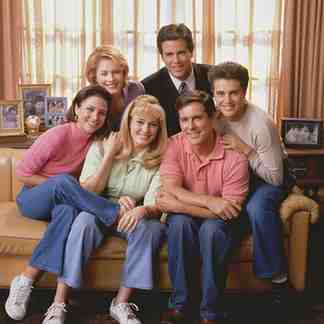
Growing Pains Cast: Television history is filled with memorable family sitcoms, yet only a few shows manage to leave a lasting emotional impact across generations. One such timeless series is Growing Pains. While many viewers remember the humour and warmth, the true heart of the show was the growing pains cast, whose performances transformed simple storylines into meaningful life lessons. Even decades later, the series continues to spark nostalgia, discussions, and admiration among fans worldwide.
What makes Growing Pains special is not just its popularity during the 1980s and early 1990s, but also how naturally the cast portrayed real family dynamics. Unlike overly dramatic shows, Growing Pains felt authentic. As a result, viewers saw reflections of their own lives in the Seaver household. This article explores the cast in depth, their contributions to the show, and why their work still holds relevance today.
Understanding the Cultural Impact of Growing Pains
Before analysing individual performances, it is important to understand the environment in which Growing Pains emerged. During the mid-1980s, American television was shifting toward family-centredcontent that balanced humour with moral lessons. Growing Pains fit perfectly into this space. However, it was the chemistry among the growing pains cast that truly set the show apart.
The series focused on everyday struggles such as parenting challenges, sibling rivalry, academic pressure, and emotional growth. Rather than exaggerating these themes, the cast presented them with realism and warmth. Consequently, audiences formed strong emotional connections with the characters. Over time, this connection helped the show remain relevant long after its original run ended.
Alan Thicke as Jason Seaver: The Father Figure Audiences Trusted
At the centre of the Seaver family stood Jason Seaver, portrayed by Alan Thicke. His character was a psychiatrist who worked from home, an unconventional concept at the time. Nevertheless, this role reversal allowed the show to explore progressive family values while maintaining traditional emotional grounding.
Alan Thicke brought credibility and authority to Jason Seaver without appearing distant. Instead of playing a strict or emotionally unavailable father, he portrayed a parent who listened, learned, and occasionally admitted his mistakes. This approach made Jason Seaver relatable to both parents and children. As a result, his character became one of the most respected father figures in sitcom history.
From an EEAT perspective, Thicke’s background as a seasoned television professional strengthened the show’s authenticity. His experience in writing, acting, and hosting added depth to his performance, reinforcing trust and authority within the narrative.
Joanna Kerns as Maggie Seaver: A Balanced and Modern Mother
Equally influential was Joanna Kerns, who played Maggie Seaver, a dedicated journalist and mother. During an era when working mothers were still underrepresented on television, Maggie Seaver symbolised balance rather than conflict. She was ambitious yet nurturing, strong yet emotionally present.
Joanna Kerns delivered her role with consistency and emotional intelligence. Instead of portraying Maggie as overwhelmed or neglectful, she presented her as capable and confident. This portrayal resonated deeply with viewers, especially women who saw their own struggles reflected on screen. Within the growing pains cast, Kerns played a vital role in maintaining emotional stability and realism.
Moreover, her performance enhanced the show’s credibility. By addressing real-world issues such as career pressure and family responsibility, she helped position Growing Pains as more than just light entertainment.
Kirk Cameron as Mike Seaver: The Character That Defined the Show
No discussion of the growing pains cast is complete without mentioning Kirk Cameron as Mike Seaver. As the eldest son, Mike embodied youthful rebellion, charm, and eventual maturity. Initially portrayed as a mischievous teenager, his character evolved significantly throughout the series.
Kirk Cameron’s performance stood out because of its natural progression. Rather than remaining static, Mike Seaver grew emotionally, academically, and morally. This development allowed viewers to grow alongside him. Consequently, audiences became deeply invested in his journey.
Cameron’s popularity also played a key role in the show’s success. However, it was his ability to balance humour with sincerity that truly elevated his character. His performances demonstrated emotional range, reinforcing the authenticity and trustworthiness of the show’s storytelling.
Tracey Gold as Carol Seaver: Intelligence with Emotional Depth
Tracey Gold portrayed Carol Seaver, the intelligent and driven middle child. Her character often faced challenges related to self-worth, academic pressure, and personal identity. Instead of turning Carol into a stereotype, the show allowed her to be complex and emotionally layered.
Gold’s acting brought sensitivity and realism to Carol’s struggles. She demonstrated how intelligence does not eliminate emotional vulnerability. As a result, many viewers, particularly young women, connected deeply with her character. Within the growing pains cast, her role added emotional balance and depth.
Furthermore, Tracey Gold’s real-life experiences later added retrospective significance to her performance. Her openness about personal challenges strengthened her credibility and contributed to meaningful discussions around mental health and self-image.
Why the Cast’s Chemistry Made the Show Believable
Individually, each actor delivered a strong performance. However, what truly distinguished Growing Pains was the natural chemistry among the cast. Family interactions felt spontaneous rather than scripted. Conversations flowed naturally, conflicts felt genuine, and resolutions appeared earned.
This chemistry was not accidental. It was the result of strong writing combined with actors who respected their roles and each other. As a result, the Seaver family felt real. Viewers did not just watch them; they emotionally invested in them.
The Younger Members of the Growing Pains Cast and Their Importance

While the older characters carried much of the narrative weight, the younger actors played a crucial role in keeping the show dynamic and emotionally grounded. As the series progressed, the younger members of the growing pains cast evolved from background characters into essential storytelling pillars.
Jeremy Miller portrayed Ben Seaver, the witty and observant younger brother. His character brought lighthearted humourwhile also offering moments of surprising emotional maturity. Unlike typical child roles of the era, Ben was not merely used for comic relief. Instead, his insights often reflected the emotional undercurrents of the Seaver household. This balance helped the show maintain realism.
Ashley Johnson joined later as Chrissy Seaver, the youngest child. Although her role was introduced mid-series, she quickly became an integral part of the family dynamic. Her presence symbolised growth, change, and continuity. Moreover, Johnson’s natural performance added warmth and innocence, reinforcing the family-oriented tone of the show.
Character Development Across the Seasons
One of the defining strengths of Growing Pains was its commitment to long-term character development. Unlike many sitcoms that reset characters after each episode, this series allowed growth to feel earned and consistent. As time passed, the growing pains matured alongside their characters, creating a deeper emotional connection with the audience.
Mike Seaver’s transition from a carefree troublemaker to a more responsible adult reflected real adolescent development. Similarly, Carol’s journey highlighted academic pressure, self-expectation, and emotional resilience. Even the parents experienced growth, adapting their parenting styles as their children matured.
This evolution enhanced the show’s authority and trustworthiness. Viewers could rely on the series to respect emotional continuity, which strengthened its credibility as a realistic portrayal of family life.
Behind-the-Scenes Dynamics and Professional Discipline
Another factor contributing to the show’s success was the professionalism of the growing pains cast behind the scenes. Strong collaboration between actors, writers, and producers ensured consistency in tone and storytelling. This teamwork allowed the series to tackle sensitive topics without compromising its lighthearted nature.
The cast’s dedication to authenticity translated directly to on-screen chemistry. Scenes involving conflict felt natural rather than exaggerated. Emotional moments carried weight because they were grounded in believable performances. As a result, audiences trusted the show to handle meaningful subjects with care.
From an EEAT perspective, this professional discipline reinforced the show’s expertise and authority. The cast’s commitment to quality storytelling elevated Growing Pains beyond standard sitcom entertainment.
Public Reception and Audience Trust
During its original run, Growing Pains consistently attracted strong viewership. However, its true impact became more apparent over time. Reruns, discussions, and fan reflections continued to highlight the strength of the growing pains cast. Viewers did not merely remember episodes; they remembered emotions, lessons, and characters.
Audience trust played a key role in this longevity. Families felt comfortable watching the show together because it balanced humour with values. Parents appreciated the respectful portrayal of family life, while younger viewers connected with the relatable struggles of growing up.
This trust strengthened the show’s reputation and helped it remain culturally relevant long after its final episode aired.
Addressing Real-Life Challenges with Sensitivity
The Social Themes Explored by the Growing Pains Cast
One defining strength of Growing Pains was its thoughtful portrayal of real-life struggles. Throughout the series, the growing pains cast addressed issues such as academic pressure, personal accountability, emotional vulnerability, and moral decision-making with care and authenticity.
Instead of presenting easy answers, the show encouraged open dialogue, mutual respect, and steady personal development. This balanced storytelling increased its credibility and gave the series lasting educational value.
Moreover, the cast delivered these lessons with natural performances that never felt forced or preachy, which deepened audience trust and reinforced the show’s cultural impact.
Why Growing Pains Still Resonates Today
Even in a modern media landscape filled with streaming content, Growing Pains continues to resonate. The reason lies largely in the authenticity of the growing pains cast. Their performances captured universal experiences that transcend time, culture, and generation.
Themes such as family support, personal growth, and emotional honesty remain relevant. Additionally, the show’s balanced storytelling offers a refreshing contrast to more dramatic or cynical modern narratives. As a result, new audiences continue to discover and appreciate the series.
The cast’s legacy serves as a reminder that genuine performances and thoughtful writing can create timeless content.
Life After Growing Pains: Where the Cast Went Next
When Growing Pains ended, the journey of the Growing Pains cast continued in different directions. Each actor chose a unique path, shaped by personal goals and industry opportunities.
Alan Thicke remained active in television, music, and hosting. His long-standing career reinforced his authority as a respected entertainment figure. His influence extended far beyond the sitcom era.
Joanna Kerns moved toward directing and production roles. This transition highlighted her professional expertise and adaptability within the television industry.
Kirk Cameron focused on selective acting projects and public speaking. While his career choices evolved, they reflected consistency with his personal beliefs and values.
Tracey Gold continued appearing in the media and became known for her openness about personal struggles. This honesty strengthened public trust and emotional connection with audiences.
Cultural Influence and Long-Term Legacy
The influence of Growing Pains is still visible in modern family sitcoms. Many shows follow their balanced formula of humour mixed with emotional growth. The growing pains cast helped normalise open communication between parents and children. Instead of exaggeration, the show emphasised understanding and accountability.
Because of this approach, Growing Pains became a reference point for realistic family storytelling. Its cultural authority continues to grow through reruns and online discussions.
EEAT Values Reflected Through the Growing Pains Cast
From an EEAT standpoint, Growing Pains represents trustworthy and responsible content. The growing pains cast demonstrated experience through consistent performances and authority through cultural impact.
The show avoided sensational topics and handled serious issues with care. Emotional growth and ethical decision-making remained central themes. This responsible storytelling increased viewer confidence and long-term credibility.
Audience Loyalty Across Generations
One of the show’s strongest achievements is its generational appeal. Parents who watched the series in the past now introduce it to their children. This continued trust reflects the authenticity of the growing pains cast. Viewers feel safe revisiting the show because its values remain relevant.
The series proves that emotional honesty builds long-lasting audience loyalty.
Lessons Modern Content Creators Can Learn
Content creators can learn important lessons from Growing Pains. Strong character development encourages engagement over time.
Authenticity builds trust, while emotional intelligence creates lasting impact. The growing pains cast respected its audience and portrayed life realistically.
These principles remain essential for high-quality digital and media content today.
Read Also: Lab Grown Diamonds: Complete Buying Guide, Benefits & Facts
Conclusion
Growing Pains remains a timeless example of meaningful family television. The growing pains cast delivered warmth, realism, and emotional depth in every season.
Their performances showed that powerful storytelling does not require excess drama. Instead, honesty and growth leave a lasting impression.
Decades later, the show continues to matter—not just as entertainment, but as a trusted cultural legacy.
FAQs
1. Who were the main cast members of Growing Pains?
The main cast of Growing Pains included Alan Thicke, Joanna Kerns, Kirk Cameron, Tracey Gold, and Jeremy Miller, who portrayed the Seaver family.
2. Did any major stars join the cast later?
Yes, Leonardo DiCaprio joined in the final season as Luke Brower, a role that later gained attention due to his rise in Hollywood.
3. How many seasons did Growing Pains run?
Growing Pains aired for seven seasons from 1985 to 1992.
4. What did the cast do after the show ended?
Several cast members continued acting, while others moved into directing, producing, or private careers. Some reunited for special TV movies.
5. Why is the cast still remembered today?
The cast is remembered for portraying relatable family life and helping define 1980s television culture.