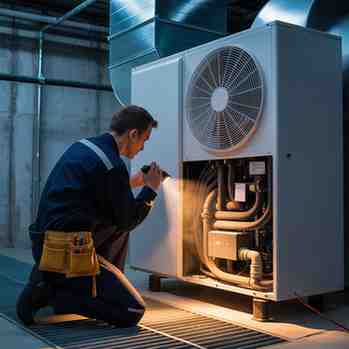
In modern residential and commercial spaces, heating, ventilation, and air conditioning systems quietly shape daily comfort. However, many people only notice their HVAC system when something goes wrong. This reactive approach often leads to higher costs, reduced efficiency, and unexpected downtime. When handled proactively, transforms a system from a silent risk into a dependable asset.
More importantly, HVAC systems consume a significant portion of overall energy usage in buildings. Because of this, even minor inefficiencies can compound into noticeable expenses over time. Regular maintenance does not simply preserve comfort; it actively protects budgets, improves indoor air quality, and extends equipment lifespan. As a result, HVAC maintenance should be viewed as an essential operational strategy rather than an optional task.
Understanding HVAC Systems Before Maintaining Them
Before diving into maintenance practices, it is important to understand how HVAC systems function. An HVAC system is not a single machine but a network of components working together to regulate temperature, humidity, and air circulation.
Typically, an HVAC system includes heating equipment, cooling units, air handlers, ductwork, filters, thermostats, and control systems. Each component plays a specific role, and when one part underperforms, the entire system feels the impact. Therefore, must address the system as a whole rather than focusing on isolated elements.
Additionally, different buildings use different HVAC configurations. Residential systems tend to be simpler, while commercial systems are more complex and demand stricter maintenance schedules. Nevertheless, the core principles of HVAC maintenance remain consistent across environments.
The Real Importance of HVAC Maintenance
Improved Energy Efficiency Over Time
One of the most significant benefits of HVAC maintenance is improved energy efficiency. Dust buildup, clogged filters, and worn components force systems to work harder than necessary. Consequently, energy consumption increases without delivering better performance.
By contrast, a well-maintained system operates smoothly and consumes less power. Over time, this efficiency translates into measurable energy savings. Although maintenance requires upfront effort, it consistently pays off through lower utility bills and reduced operational strain.
Reduced Risk of Unexpected Breakdowns
Unexpected HVAC failures rarely happen without warning. In most cases, small issues escalate gradually until they result in system shutdowns. HVAC maintenance identifies these issues early, allowing for timely corrections before major damage occurs.
For businesses, this preventive approach is especially valuable. Downtime caused by HVAC failure can disrupt operations, affect employee productivity, and damage customer experiences. Preventive HVAC maintenance reduces these risks significantly.
Longer Equipment Lifespan
HVAC systems represent a major investment. Without proper care, components wear out faster, leading to premature system replacement. HVAC maintenance minimises unnecessary stress on parts by ensuring proper lubrication, alignment, and airflow.
As a result, systems that receive regular maintenance often exceed their expected service life. This extended lifespan delays replacement costs and maximises return on investment.
HVAC Maintenance and Indoor Air Quality
Indoor air quality is closely tied to HVAC system condition. Dust, allergens, and pollutants circulate through air systems when filters and ducts are neglected. Over time, this circulation can negatively affect respiratory health and overall comfort.
Routine HVAC maintenance ensures that filters are clean, airflow remains balanced, and contaminants are reduced. Consequently, indoor environments feel fresher and healthier. This benefit is particularly important in homes with children, elderly residents, or individuals with allergies.
Furthermore, improved air quality supports workplace well-being. Employees working in well-ventilated spaces tend to experience fewer discomfort-related distractions, which indirectly improves productivity.
The Cost Perspective: Maintenance vs. Repair
Many people delay HVAC maintenance to avoid immediate expenses. However, this short-term saving often leads to higher long-term costs. Emergency repairs, component replacements, and energy inefficiencies typically cost far more than routine maintenance.
HVAC maintenance spreads costs predictably over time. Instead of reacting to failures, owners can plan maintenance budgets and avoid financial surprises. From a cost-management perspective, maintenance is not an expense; it is a protective measure.
Moreover, many manufacturers require documented HVAC maintenance to keep warranties valid. Skipping maintenance may result in denied warranty claims, adding unnecessary financial risk.
Preventive vs. Reactive HVAC Maintenance
Preventive HVAC maintenance focuses on scheduled inspections and adjustments designed to prevent problems. Reactive maintenance, on the other hand, occurs only after a system fails.
Preventive maintenance offers clear advantages. It reduces system stress, improves reliability, and allows technicians to address minor issues early. Reactive maintenance, while sometimes unavoidable, often involves urgent repairs and higher labour costs.
Therefore, a preventive HVAC maintenance strategy provides better control, improved planning, and more consistent performance over time.
Key Stakeholders Responsible for HVAC Maintenance
HVAC maintenance responsibilities vary depending on property type. Homeowners typically manage maintenance through service providers or personal effort. In commercial settings, facility managers oversee maintenance schedules, compliance, and documentation.
Regardless of the responsibility structure, successful HVAC maintenance relies on consistency. Skipped inspections or delayed servicing reduce the effectiveness of even the best systems. Clear accountability ensures maintenance tasks are completed on time and properly recorded.
Establishing an HVAC Maintenance Mindset
Perhaps the most overlooked aspect of HVAC maintenance is mindset. Viewing maintenance as a long-term strategy changes decision-making patterns. Instead of waiting for discomfort or failure, owners anticipate needs and act proactively.
This mindset encourages regular inspections, performance monitoring, and system optimisation. Over time, it builds confidence in system reliability and reduces stress associated with unexpected issues.
Ultimately, HVAC maintenance becomes less about fixing problems and more about sustaining comfort and efficiency.
Why Seasonal HVAC Maintenance Matters
HVAC systems do not operate under the same conditions throughout the year. Temperature shifts, humidity changes, and usage patterns place different demands on equipment in different seasons. Because of this, a one-size-fits-all approach to HVAC maintenance often falls short.
Seasonal maintenance aligns system care with environmental stress factors. As a result, components remain prepared for peak performance during extreme weather. More importantly, this approach reduces sudden failures when systems are needed the most.
Rather than reacting to seasonal breakdowns, proactive planning ensures that HVAC systems transition smoothly between heating and cooling cycles.
Spring HVAC Maintenance: Preparing for Cooling Demands
Spring marks the transition from heating to cooling. During this period, HVAC systems face rising temperatures and longer operating hours. Therefore, spring maintenance focuses on preparing the system for sustained cooling performance.
Air filters should be inspected and replaced if necessary. Even slightly clogged filters restrict airflow, forcing the system to work harder. At the same time, outdoor condenser units require inspection to remove debris accumulated during winter.
Additionally, thermostat calibration plays a critical role in spring maintenance. Accurate temperature readings prevent unnecessary cycling and improve comfort. When spring maintenance is handled correctly, the system enters summer operating efficiently rather than under strain.
Summer HVAC Maintenance: Sustaining Performance Under Stress
Summer places the highest demand on cooling systems. During this season, HVAC maintenance shifts from preparation to performance preservation. Systems running continuously are more vulnerable to wear if maintenance is neglected.
Airflow must remain unobstructed. Therefore, vents should be checked regularly to ensure furniture or dust buildup does not interfere with circulation. Meanwhile, refrigerant levels should be monitored to avoid reduced cooling efficiency.
Furthermore, electrical components experience added stress during extended runtime. Loose connections or failing capacitors can cause sudden shutdowns. Regular inspections during the summer help prevent these issues before they escalate.
Fall HVAC Maintenance: Transitioning Back to Heating
As temperatures begin to drop, HVAC systems must shift focus from cooling to heating. Fall maintenance ensures that heating components operate safely and efficiently when needed.
Heat exchangers, burners, and ignition systems require inspection to confirm proper operation. At the same time, air filters should again be evaluated, as summer usage often leads to dust accumulation.
Fall is also an ideal time to test safety features. Carbon monoxide detectors, for example, should be checked to ensure reliable operation. By addressing these factors early, fall maintenance reduces safety risks and ensures consistent warmth during colder months.
Winter HVAC Maintenance: Reliability and Efficiency Focus
Winter HVAC maintenance centres on reliability. Heating systems often operate continuously during cold weather, leaving little room for failure.
Although major maintenance should already be completed in the fall, winter inspections focus on monitoring performance. Unusual noises, uneven heating, or increased energy bills often signal developing issues.
Additionally, insulation and ductwork integrity become especially important during winter. Heat loss through leaks forces systems to run longer, increasing wear and energy consumption. Addressing these issues supports both comfort and efficiency throughout the season.
Essential HVAC Maintenance Tasks Explained
Air Filter Management
Air filters play a foundational role in HVAC maintenance. They protect internal components while improving indoor air quality. When filters become clogged, airflow decreases, and system stress increases.
Regular inspection ensures filters remain effective. Although replacement frequency varies, consistency matters more than exact timing. Clean filters support balanced airflow and stable system performance.
Cleaning Coils and Components
Evaporator and condenser coils transfer heat efficiently only when clean. Dirt buildup acts as insulation, reducing heat exchange and increasing energy usage.
Cleaning coils restores proper thermal transfer. Consequently, the system cools or heats more effectively without excessive strain. Coil maintenance is a key contributor to long-term efficiency.
Thermostat Optimization
Thermostats serve as the system’s controller. When settings are inaccurate or outdated, HVAC systems operate inefficiently.
Modern programmable or smart thermostats support better scheduling and temperature control. However, even traditional thermostats benefit from periodic calibration. Accurate controls reduce unnecessary cycling and improve comfort consistency.
DIY HVAC Maintenance vs Professional Servicing
Not all HVAC maintenance tasks require professional intervention. Basic tasks, such as filter replacement and vent cleaning, are often manageable for homeowners or facility staff.
However, complex inspections demand professional expertise. Electrical diagnostics, refrigerant handling, and internal component testing require specialised tools and training. Attempting these tasks without proper knowledge increases risk and may void warranties.
Therefore, effective HVAC maintenance combines simple DIY actions with scheduled professional servicing. This balanced approach ensures safety, compliance, and optimal performance.
Early Warning Signs That HVAC Maintenance Is Needed
Even with routine care, HVAC systems communicate distress through subtle signals. Recognising these warning signs allows for timely intervention.
Unusual noises often indicate loose components or airflow restrictions. Similarly, uneven temperature distribution suggests duct or airflow issues. Rising energy bills without increased usage also point toward declining efficiency.
Ignoring these indicators allows small problems to grow. On the other hand, addressing them promptly through HVAC maintenance minimises repair costs and system downtime.
Documentation and Maintenance Records
Consistent documentation strengthens HVAC maintenance strategies. Maintenance logs provide valuable insight into system history, recurring issues, and performance trends.
For commercial properties, documentation also supports regulatory compliance and warranty validation. Even residential owners benefit from organised records when planning upgrades or selling property.
Ultimately, clear records turn maintenance into a structured process rather than a series of disconnected tasks.
Connecting Maintenance to Long-Term System Performance
HVAC maintenance is not a collection of isolated actions. Instead, it is a continuous process that supports system stability across seasons.
When maintenance aligns with usage patterns, systems remain efficient and predictable. Over time, this consistency reduces stress on components and enhances overall reliability.
As a result, maintenance becomes an investment in long-term performance rather than a reactive expense.
Optimising HVAC Maintenance for Maximum Energy Efficiency
Once the basics of HVAC maintenance are in place, the next step is optimisation. At this stage, the focus shifts from simple upkeep to performance refinement. Small adjustments, when applied consistently, can deliver meaningful efficiency gains over time.
Airflow balancing is one such adjustment. When airflow is uneven, certain zones become overworked while others receive insufficient conditioning. As a result, the system consumes more energy without improving comfort. Proper balancing ensures that conditioned air reaches every space as intended.
Additionally, duct sealing plays a crucial role. Even minor leaks allow conditioned air to escape, forcing the system to compensate. Sealing ducts reduces energy loss and stabilises indoor temperatures. Although this task is often overlooked, its impact on efficiency is substantial.
Smart Technology and HVAC Maintenance Integration
Modern HVAC maintenance increasingly relies on smart technology. Sensors, connected thermostats, and monitoring platforms provide real-time data that improves decision-making.
Smart thermostats, for example, adapt to usage patterns and adjust temperatures automatically. When paired with routine maintenance, these devices reduce unnecessary runtime and prevent energy waste. Moreover, they help identify performance irregularities early.
In commercial environments, building management systems offer even greater visibility. These platforms track system performance, schedule maintenance tasks, and generate alerts. As a result, HVAC maintenance becomes proactive rather than reactive.
Cost Control Through Strategic Maintenance Planning
Effective HVAC maintenance directly influences cost management. While maintenance does require ongoing investment, it significantly reduces expensive emergency repairs and premature replacements.
Planned maintenance allows owners to budget accurately. Instead of facing unexpected expenses, costs are distributed evenly throughout the year. This predictability is especially valuable for businesses operating under strict financial controls.
Furthermore, energy efficiency improvements achieved through maintenance lead to recurring savings. Lower utility bills, combined with extended equipment lifespan, create long-term financial advantages that outweigh maintenance costs.
Compliance, Safety, and Risk Reduction
HVAC maintenance is closely linked to safety and compliance. Heating systems, in particular, pose risks if neglected. Faulty components or poor ventilation can lead to serious hazards.
Regular inspections ensure that safety mechanisms function correctly. Carbon monoxide monitoring, electrical checks, and ventilation assessments protect both occupants and property. Consequently, maintenance becomes a risk-reduction strategy rather than a routine obligation.
For commercial properties, compliance requirements further emphasise the importance of maintenance. Proper documentation and scheduled servicing support regulatory standards and protect against liability.
Sustainability and Environmental Responsibility
Sustainability is an increasingly important consideration in HVAC maintenance. Efficient systems consume less energy, which directly reduces environmental impact.
Routine maintenance minimises emissions by ensuring systems operate within optimal performance ranges. Additionally, well-maintained equipment reduces the need for early replacement, lowering material waste.
For organisations focused on sustainability goals, HVAC maintenance aligns operational efficiency with environmental responsibility. This alignment enhances both brand credibility and long-term viability.
Developing a Long-Term HVAC Maintenance Strategy
Short-term fixes rarely deliver lasting results. Instead, a structured, long-term HVAC maintenance strategy provides consistent benefits.
Such a strategy includes scheduled inspections, clear task assignments, and performance tracking. Over time, collected data reveals trends that guide system upgrades and process improvements.
Moreover, long-term planning encourages informed decision-making. When replacement becomes necessary, owners can act strategically rather than under pressure. This approach improves outcomes and reduces stress.
Expert Involvement and Knowledge-Driven Maintenance
Experience and expertise play a vital role in HVAC maintenance success. While basic tasks are manageable internally, professional input ensures technical accuracy.
Certified technicians bring diagnostic skills, industry knowledge, and compliance awareness. Their involvement strengthens system reliability and reduces the risk of costly mistakes.
Combining expert guidance with internal awareness creates a comprehensive maintenance framework. This collaboration supports consistent performance and informed system management.
Common HVAC Maintenance Mistakes to Avoid
Even well-intentioned maintenance efforts can fail if common mistakes persist. Ignoring small performance changes is one such error. Minor issues rarely resolve themselves and often worsen over time.
Another mistake involves inconsistent scheduling. Skipping inspections disrupts maintenance continuity and increases system vulnerability. Additionally, relying solely on reactive repairs undermines preventive efforts.
Avoiding these mistakes requires discipline and commitment. When maintenance is treated as a priority, systems reward that attention with reliable performance.
Read Also: Popular Mechanics: Tech, Science, and How-Things-Work
Concusion
HVAC maintenance is not merely about preventing breakdowns. It is a strategic investment in comfort, efficiency, and operational stability.
Through consistent care, systems operate more efficiently, last longer, and perform reliably across seasons. Moreover, maintenance supports healthier indoor environments and predictable cost management.
Ultimately, a well-maintained HVAC system reflects informed ownership. By prioritising maintenance today, owners secure comfort, savings, and peace of mind for years to come.
FAQs
1. What is HVAC maintenance?
HVAC maintenance involves routine inspection, cleaning, and servicing of heating and cooling systems to ensure efficient and reliable operation.
2. How often should HVAC maintenance be done?
Most systems should be serviced at least twice a year—before summer and before winter—to maintain peak performance.
3. Why is HVAC maintenance important?
Regular maintenance improves energy efficiency, prevents unexpected breakdowns, and extends equipment lifespan.
4. Can HVAC maintenance reduce energy bills?
Yes, a well-maintained system operates more efficiently, which helps lower monthly energy costs.
5. What HVAC maintenance tasks can be done at home?
Simple tasks include replacing air filters, keeping vents clear, and checking thermostat settings.