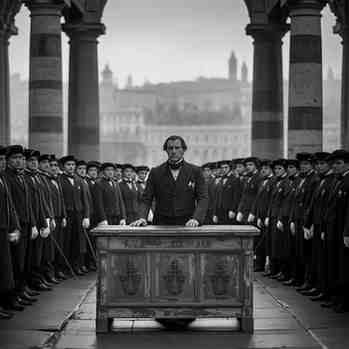
In modern political conversations, certain terms are used so frequently that their original meaning becomes diluted over time. “Fascisterne” is one such term that often appears in debates, media discussions, and online arguments. While it may seem like just another label, its historical and ideological depth make it far more significant than casual usage suggests. Therefore, understanding its true meaning is essential for anyone who wants to engage thoughtfully with political discourse.
Moreover, the relevance of fascisterne extends beyond history books. It continues to influence how people interpret authority, nationalism, and governance today. By examining its roots and evolution, readers can better distinguish between accurate usage and exaggerated claims. In this way, learning about fascisterne not only builds knowledge but also strengthens critical thinking in a rapidly changing world.
Meaning & Linguistic Origin of Fascisterne
The term “fascisterne” originates from the Danish language and directly translates to “the fascists.” It is used to describe individuals or groups that support or embody the ideology of fascism. However, the meaning goes beyond a simple translation, as it carries historical weight tied to one of the most influential and controversial political systems of the 20th century. Consequently, the word reflects both a linguistic identity and a broader ideological framework.
Interestingly, the concept of fascism itself is derived from the Latin word fasces, which symbolised authority and unity in ancient Rome. Over time, this symbol evolved into a political idea that emphasised collective strength over individual freedom. As a result, the term “fascisterne” came to represent not only followers of this ideology but also the principles associated with centralised power and strict social control. Today, its meaning continues to shift depending on context, making clarity even more important.
Historical Background: Rise After World War I

Following World War I, Europe experienced widespread instability that created fertile ground for radical political movements. Economic collapse, unemployment, and social unrest left many citizens disillusioned with traditional democratic systems. As trust in existing institutions declined, people began searching for alternatives that promised order and national revival. This environment played a crucial role in the emergence of fascist movements.
At the same time, countries like Italy and Germany faced intense political pressure and public dissatisfaction. Harsh post-war conditions, including punitive treaties and financial crises, fueled resentment among the population. Consequently, strong leaders who offered decisive action and national pride gained widespread support. The rise of fascism, therefore, was not accidental but rather the result of complex social, economic, and political factors converging at a critical moment in history.
Core Ideology of Fascisterne
The ideology associated with fascism built on a set of defining principles that distinguish it from other political systems. One of its central features is authoritarian leadership, where power is concentrated in the hands of a single leader or a small elite group. This structure limits political opposition and discourages dissent, as loyalty to the state is prioritised above all else. In addition, extreme nationalism plays a key role, promoting the belief that one nation is superior to others.
Another important aspect of this ideology is its rejection of democratic values. Fascisterne often view democracy as inefficient and believess the centralised control leads to stronger governance. Furthermore, propaganda and media control are used to shape public opinion and maintain authority. By carefully managing information, leaders can influence how citizens perceive reality, thereby strengthening their hold on power. Together, these elements create a system that emphasises unity, control, and dominance.
Key Figures Behind Fascisterne
Understanding fascism also requires examining the influential figures who helped shape and spread this ideology. Certain leaders played a pivotal role in transforming fascism from a theoretical concept into a powerful political movement. Through strategic communication and strong leadership, they were able to gain public trust and mobilise large sections of society. Their ability to connect with people during times of crisis contributed significantly to their rise.
In addition to political leaders, intellectual contributors also played an important role in developing the philosophical foundation of fascism. These thinkers provided the theoretical justification that made the ideology appear structured and credible. As a result, fascism became more than just a political movement; it evolved into a comprehensive belief system with deep societal influence. This combination of leadership and ideology explains why it had such a lasting impact on global history.
How Fascisterne Controlled Society
Fascisterne maintained power through a carefully structured system of control that extended into nearly every aspect of daily life. Political authority was centralised, leaving little room for opposition or independent decision making. Governments operating under this ideology often dismantled democratic institutions and replaced them with loyal bodies that served the ruling leadership. As a result, political pluralism disappeared, and citizens were expected to align completely with state policies.
In addition to political control, social influence played a critical role in maintaining authority. Education systems were redesigned to promote loyalty and national pride, while media outlets were strictly regulated to ensure consistent messaging. Furthermore, fear was often used as a tool to suppress dissent, with critics facing punishment or exclusion. Through this combination of influence and intimidation, fascisterne were able to create a society where compliance was not only expected but enforced.
Fascisterne vs Other Political Ideologies
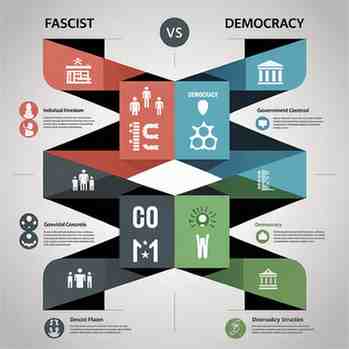
When comparing fascisterne to other political systems, the differences become more apparent. For instance, unlike democracy, which emphasises individual rights and citizen participation, fascisterne prioritises state authority above personal freedom. Decision making is concentrated at the top, and public opinion has little influence on governance. Consequently, the balance of power shifts heavily toward leadership rather than the population.
Similarly, fascisterne differs from communism despite both systems involving strong state control. While communism focuses on economic equality and collective ownership, fascists emphasise nationalism and often maintains existing class structures. In contrast to both, democratic systems aim to create checks and balances that prevent the misuse of power. These comparisons highlight how fascisterne represent a distinct ideological path, shaped by control, hierarchy, and national identity.
Global Spread of Fascist Movements
Although fascism initially emerged in specific European countries, its influence quickly spread across different regions. Political instability and economic hardship in various parts of the world created conditions where similar ideologies could take root. As governments struggled to maintain order, movements inspired by fascisterne began to appear, each adapting the core principles to local contexts. This expansion demonstrated how flexible and appealing the ideology could be during times of uncertainty.
Moreover, the spread was not limited to direct political control but also included ideological influence. Leaders and groups in other countries adopted elements such as strong leadership, national unity, and centralized authority. Even where full fascist systems did not develop, traces of these ideas influenced governance and policy decisions. Therefore, the reach of fascisterne extended far beyond its original origins, leaving a lasting imprint on global political history.
Impact of Fascisterne on the World
The global impact of fascism has been profound and far reaching, particularly in shaping major historical events. One of the most significant consequences was the role fascist regimes played in escalating international conflicts. Their aggressive expansionist policies and emphasis on military strength contributed directly to large scale wars that affected millions of lives. As a result, entire regions experienced destruction, displacement, and long term instability.
Beyond warfare, the social and cultural effects were equally significant. Human rights were often disregarded, with minorities and political opponents facing severe persecution. Additionally, artistic and intellectual expression was restricted, as creativity was expected to align with state approved narratives. These consequences serve as a reminder of how deeply fascisterne influenced not only political systems but also the everyday lives of individuals across societies.
Modern Day Fascisterne: New Forms and Trends
In the contemporary world, the concept of fascisterne has not disappeared but instead evolved into new forms. While traditional fascist regimes are less common, elements of the ideology can still be observed in certain political movements and rhetoric. For example, strong nationalist messaging, anti-democratic tendencies, and centralised authority continue to appear in different contexts. This evolution makes it more challenging to identify fascism in its modern form.
At the same time, digital platforms have introduced new ways for such ideas to spread. Social media, in particular, allows messages to reach wide audiences quickly, sometimes without proper scrutiny. Consequently, narratives inspired by fascisterne can gain traction more easily than before. However, increased awareness and access to information also provide opportunities to challenge these ideas, highlighting the importance of education and critical thinking in today’s society.
Misuse of the Term “Fascisterne” Today
In today’s fast paced digital environment, the term “fascisterne” is often used loosely in political debates and online discussions. Many individuals apply it to describe opponents or criticise policies without fully understanding its historical and ideological significance. As a result, the term can lose its depth and become a general insult rather than a precise description of a specific political belief system. This casual usage can create confusion and weaken meaningful dialogue.
Furthermore, overusing such a historically loaded term may unintentionally diminish the gravity of real fascist regimes and their consequences. When every disagreement is labelled as fascism, it becomes difficult to identify genuine threats to democratic values. Therefore, it is essential to use the term “fascisterne” with accuracy and responsibility. By doing so, discussions can remain informed, balanced, and rooted in historical awareness rather than emotional reactions.
Warning Signs of Fascist Thinking
Recognising the early signs of fascist thinking is crucial for preventing its spread in modern societies. One common indicator is the promotion of a single, powerful leader who is portrayed as the ultimate solution to all national problems. This is often accompanied by the dismissal of democratic processes and the belief that strong, centralised control is more effective. Additionally, the suppression of dissenting voices and criticism can signal a shift toward authoritarian practices.
Another warning sign includes the use of divisive language that targets specific groups based on identity, culture, or beliefs. Such narratives often aim to create an “us versus them” mentality, which can lead to social fragmentation. Moreover, attempts to control media, limit free expression, or manipulate information should not be overlooked. By identifying these patterns early, individuals and societies can take steps to uphold democratic principles and resist harmful ideological shifts.
Lessons from History
The history of fascisterne offers valuable lessons that remain relevant in the present day. One of the most important takeaways is the fragility of democratic institutions when faced with economic instability and public dissatisfaction. When people lose trust in governance, they may become more willing to support extreme alternatives. Therefore, maintaining transparency, accountability, and public engagement is essential for preserving democratic systems.
In addition, history highlights the importance of education and critical thinking in preventing the spread of harmful ideologies. Societies that encourage open discussion and diverse perspectives are better equipped to challenge authoritarian ideas. Moreover, protecting fundamental rights such as freedom of speech and equality helps create a more resilient social structure. These lessons emphasise that awareness and active participation are key to avoiding the mistakes of the past.
Conclusion
Understanding fascisterne is not just about studying a historical concept; it is about recognising patterns that can reappear in different forms. While the world has changed significantly since the early 20th century, the underlying factors that allowed fascism to rise can still exist. Economic uncertainty, political polarisation, and social unrest can create environments where extreme ideologies gain traction. Therefore, awareness remains a powerful tool in identifying and addressing these challenges.
Ultimately, informed societies are better prepared to protect their values and institutions. By learning from history and applying those lessons to current situations, individuals can contribute to a more balanced and just world. The study of fascisterne serves as a reminder that vigilance, education, and critical thinking are essential in safeguarding freedom and preventing the repetition of past mistakes.
FAQs
1. What does fascisterne mean?
Fascisterne is a Danish term that translates to “the fascists,” referring to individuals or groups that follow fascist ideology.
2. Is fascism still present today?
While traditional fascist regimes are rare, certain elements of the ideology can still be seen in modern political movements and rhetoric.
3. Why is fascism considered dangerous?
Fascism often suppresses individual freedoms, promotes authoritarian control, and can lead to social division and conflict.
4. How can fascist tendencies be identified?
Warning signs include strong leader worship, media control, anti democratic behaviour, and divisive narratives targeting specific groups.
5. What lessons can we learn from fascisterne?
The key lessons include the importance of democracy, education, critical thinking, and protecting fundamental human rights.