
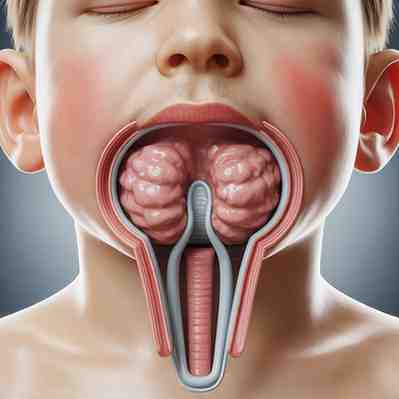
Many parents notice that a child suddenly starts breathing through the mouth, snores at night, or keeps getting a blocked nose. At first, these signs may seem like a common cold. However, when symptoms persist or recur frequently, the real issue may be enlarged or infected adenoids. This is where the topic of adenoidid becomes important.
Although many people are unfamiliar with the term, problems related to the adenoids are quite common in children. These tissues play a useful role in the immune system during early life. Still, they can also become swollen, irritated, or infected, which may affect sleep, breathing, hearing, and daily comfort.
Therefore, understanding the causes, symptoms, and treatment options can help families make better health decisions. In this guide, you will learn everything in simple language with trusted, practical information.
What Are Adenoids?
Adenoids are soft lymphatic tissues located behind the nose and above the throat. They cannot usually be seen by looking into the mouth. Their main job is to help trap germs that enter through the nose or mouth.
During infancy and early childhood, adenoids are more active because the body is still developing its natural defences. As children grow older, adenoids often become smaller and less important.
Because of their location, swollen adenoids can block airflow through the nose. As a result, a child may begin breathing through the mouth or sleeping poorly.
What Does Adenoidid Mean?
The keyword adenoidid is often used when people are searching for adenoid related problems, especially infection or inflammation of the adenoids. In many cases, they may actually mean adenoiditis or enlarged adenoids.
This condition happens when the adenoids become irritated due to viruses, bacteria, allergies, or repeated infections. Consequently, swelling may narrow the nasal airway and create several uncomfortable symptoms.
Even though it is more common in children, adults can occasionally face adenoid problems as well.
Why Adenoid Problems Happen
There is no single reason behind adenoid swelling. Instead, several triggers may cause irritation over time.
Viral Infections
Common cold viruses are one of the leading causes. After a viral illness, adenoids may remain enlarged for some time.
Bacterial Infection
Sometimes bacteria infect the tissue directly. In that case, symptoms may become stronger and include fever or thick mucus.
Allergies
Dust, pollen, pet dander, and smoke can irritate the nose and throat. As a result, chronic inflammation may affect the adenoids.
Repeated Illness
Children who catch frequent colds may develop long term swelling because the tissues never fully recover.
Environmental Irritants
Secondhand smoke, polluted air, and dry indoor conditions may worsen breathing issues.
Common Symptoms of Adenoidid

Symptoms can appear slowly or suddenly, depending on the cause. Some children show only mild signs, while others struggle every day.
Nasal Symptoms
Stuffy or blocked nose
Runny nose
Thick mucus
Frequent sneezing
Breathing Changes
Mouth breathing
Noisy breathing
Snoring during sleep
Pauses in breathing at night
Throat and Ear Problems
Sore throat
Dry mouth after sleep
Bad breath
Ear pressure or repeated ear infections
General Signs
Poor sleep quality
Daytime tiredness
Irritability
Trouble focusing in school
How Sleep Gets Affected
Sleep disturbance is one of the biggest concerns. When swollen adenoids narrow the airway, breathing becomes harder during rest. Therefore, the child may toss, snore, or wake often.
Poor sleep can lead to:
Morning headaches
Mood swings
Low energy
Learning difficulty
Hyperactive behaviour in some children
Because sleep supports growth and brain development, long term disruption should never be ignored.
When Parents Should Pay Attention
Many colds improve within a few days. However, some signs suggest a deeper issue.
Watch carefully if your child:
Breathes through the mouth most of the time
Snores every night
Gets frequent ear infections
Has a constantly blocked nose without a cold
Seems tired after a full sleep
Speaks with a nasal voice
If these symptoms continue, professional evaluation becomes important.
Can Adults Have It Too?
Yes, although it is less common. Adult adenoid tissue usually shrinks with age, yet some adults still experience enlargement or chronic inflammation.
In adults, doctors may investigate other causes as well, such as sinus disease, allergies, or rare growths. Therefore, persistent nasal blockage in adults should always be checked properly.
Why Early Treatment Matters
Ignoring adenoid issues may lead to repeated infections, poor sleep, hearing concerns, or changes in facial growth due to chronic mouth breathing. While not every case becomes serious, early care reduces the chance of complications.
Moreover, treating the real cause often improves a child’s comfort quickly.
How Doctors Diagnose Adenoidid
When symptoms continue for several weeks or return often, a doctor will usually begin with a full medical history. They may ask about snoring, mouth breathing, sleep quality, frequent colds, ear infections, and daytime tiredness. These details help identify whether the adenoids may be involved.
Next, the doctor may examine the nose, throat, and ears. Since adenoids sit behind the nose, they cannot always be seen during a normal mouth exam. Therefore, extra tools may sometimes be needed.
Common Diagnostic Methods
Physical Examination
A routine exam checks the throat, tonsils, ears, and breathing pattern. In many cases, this provides useful early clues.
Nasal Endoscopy
A thin, flexible camera may be used to look behind the nose. This helps doctors see enlarged adenoids directly. Although the idea sounds uncomfortable, the procedure is usually quick.
Imaging Tests
Some doctors may request an X-ray of the neck area. This can show whether enlarged adenoids are blocking airflow.
Hearing or Ear Assessment
If a child gets repeated ear infections or hearing concerns, the ears may need extra testing.
Sleep Evaluation
When severe snoring or breathing pauses occur at night, a sleep study may be recommended. This test checks oxygen levels and breathing patterns during sleep.
Because every child is different, not all tests are necessary. The doctor chooses the most useful option based on symptoms.
Treatment Depends on the Cause
There is no single treatment for every case. Instead, care depends on whether the problem comes from infection, allergies, long term swelling, or airway blockage.
Some children improve with simple medical care. Others may need ongoing management or surgery.
Non Surgical Treatment Options

Watchful Waiting
If symptoms are mild and linked to a recent cold, doctors may advise observation first. Swelling often decreases naturally after the infection passes.
Antibiotics
When bacteria cause the infection, antibiotics may be prescribed. It is important to complete the full course exactly as directed.
However, antibiotics do not treat viral illnesses. Therefore, they are only used when clearly needed.
Nasal Steroid Sprays
These sprays may reduce inflammation, especially when allergies or chronic swelling play a role. Many children respond well after consistent use.
Allergy Management
If allergies trigger symptoms, treatment may include:
Antihistamines
Reducing dust exposure
Air filters
Seasonal allergy planning
Pain and Fever Relief
For discomfort or fever, doctors may suggest age-appropriate medicine. Parents should always follow professional dosing advice.
Helpful Home Care Strategies
Medical treatment works best when supported by good home care. Fortunately, several simple habits can improve comfort.
Keep the Child Hydrated
Fluids help thin mucus and soothe irritation. Water, soup, and warm drinks may help depending on age.
Use a Humidifier
Dry air can worsen congestion. A clean cool mist humidifier may support easier breathing at night.
Encourage Rest
The body heals faster during sleep and rest. Therefore, a calm recovery routine matters.
Nasal Saline Rinse or Spray
Saline products may reduce dryness and loosen mucus. Use child-safe products only.
Elevate the Head Slightly
For older children, a slight elevation during sleep may improve breathing comfort.
Reduce Smoke Exposure
Secondhand smoke can irritate the airway and prolong symptoms. A smoke-free environment is strongly recommended.
When Surgery Becomes an Option
If symptoms remain severe or return repeatedly, surgery may be considered. The procedure to remove adenoids is called adenoidectomy.
Doctors may suggest surgery when a child has:
Constant mouth breathing
Ongoing nasal blockage
Frequent infections
Repeated ear problems
Poor sleep due to snoring
Suspected sleep apnea
Poor response to medical treatment
Surgery decisions depend on overall health, age, and quality of life.
What Happens During Adenoidectomy
Adenoidectomy is commonly performed under general anaesthesia. The surgeon removes the adenoid tissue through the mouth, so there is no visible outside cut.
The operation is often short, and many children go home the same day. Because techniques continue to improve, recovery is usually smoother than many parents expect.
Still, every surgery carries some risk. Therefore, families should discuss benefits and concerns with an ENT specialist.
Recovery After Surgery
Most children recover within several days to about one week. Some need a little longer, depending on age and overall health.
Normal Recovery Signs
Mild sore throat
Tiredness
Temporary bad breath
Light nasal stuffiness
Reduced appetite for a short time
Helpful Recovery Tips
Offer soft foods
Encourage fluids
Follow the medicine instructions carefully
Keep activity light for a few days
Attend follow-up visits if advised
When to Contact the Doctor
Seek medical advice if there is:
High fever
Dehydration signs
Breathing difficulty
Heavy bleeding
Severe pain is not improving
Although complications are uncommon, quick action is always wise.
Can Adenoids Grow Back?
In some cases, small amounts of tissue may regrow, especially when surgery happens at a very young age. However, significant regrowth is less common.
If symptoms return later, doctors can reassess the child and check for allergies, sinus issues, or other causes.
Long-Term Outlook
The long-term outlook is usually very good. Moreover, better sleep often improves mood, focus, and daytime energy. Because of that, families frequently notice positive changes beyond just breathing.
What Happens If Adenoidid Is Ignored?
Some mild cases improve on their own. However, ongoing symptoms should not be dismissed. When adenoid problems continue for months, they may affect more than the nose and throat.
Because adenoids sit near the airway and ear passages, long-term swelling can create several connected issues.
Chronic Mouth Breathing
When the nose remains blocked, children often depend on mouth breathing. Over time, this may cause dry mouth, cracked lips, restless sleep, and throat irritation.
Poor Sleep Quality
Interrupted breathing can reduce deep sleep. As a result, the child may wake tired, become moody, or struggle with concentration during the day.
Repeated Ear Infections
Swollen adenoids may interfere with normal ear drainage. Therefore, fluid buildup and infections may happen more often.
Hearing Concerns
Persistent ear fluid can temporarily reduce hearing. Although this may improve after treatment, it should never be ignored during important learning years.
Speech Changes
Some children develop a nasal sounding voice because airflow changes inside the nose and throat.
Reduced Quality of Life
Constant congestion, poor rest, and repeated illness can affect school performance, mood, and family routines.
For these reasons, timely treatment is valuable.
Can Adenoidid Affect Facial Development?
In severe long term cases, chronic mouth breathing may influence jaw and facial growth patterns during childhood. This usually happens gradually, not suddenly.
Because growing bones respond to breathing habits, doctors often prefer early intervention when symptoms are significant. While not every child experiences this issue, it remains an important reason to seek help early.
How to Prevent Future Adenoid Problems
Not every case can be prevented, yet many healthy habits lower the risk of repeated inflammation.
Keep Hands Clean
Frequent handwashing helps reduce common viral infections that may trigger swelling.
Manage Allergies Early
If pollen, dust, or pets worsen symptoms, early allergy care can reduce chronic irritation.
Avoid Smoke Exposure
Tobacco smoke and polluted air may inflame the airway. A clean indoor environment supports healing.
Support Strong Immunity
Balanced meals, hydration, physical activity, and enough sleep all help overall immune function.
Treat Colds Properly
Rest, fluids, and timely medical advice can prevent minor illnesses from becoming ongoing problems.
Follow Follow-Up Plans
If a doctor recommends review visits, attend them. Monitoring progress can prevent future complications.
Myths vs Facts About Adenoidid
Many families hear confusing advice. Therefore, separating myths from facts is helpful.
Myth 1: Every Child Who Snores Needs Surgery
Fact: Snoring has many causes. Some children improve with allergy treatment or medical care.
Myth 2: Adenoids Have No Purpose
Fact: Adenoids support immune defence during early childhood.
Myth 3: Antibiotics Always Fix the Problem
Fact: Antibiotics help bacterial infections, but they do not treat viral causes.
Myth 4: Children Always Outgrow It Quickly
Fact: Some do improve with age, yet others need treatment much sooner.
Myth 5: Surgery Is the Only Option
Fact: Many cases respond well to non-surgical management first.
Lifestyle Tips for Parents
Parents often ask what they can do daily. Small changes can make a noticeable difference.
Keep bedrooms clean and dust controlled
Wash bedding regularly
Encourage nose breathing when possible
Maintain hydration during illness
Watch sleep habits closely
Limit exposure to sick contacts when practical
Track recurring symptoms in a notebook
These simple steps also help doctors understand patterns during appointments.
FAQs
1. Is adenoidid contagious?
The adenoid tissue itself is not contagious. However, the infection, causing swelling, such as a cold virus, may spread to others.
2. At what age is it most common?
Problems are more common in younger children because adenoids are larger and more active during the early years.
3. Can adults get adenoid problems?
Yes, although it is less common. Persistent blockage in adults should always be checked carefully.
4. How long does recovery take after surgery?
Many children feel better within a few days, while full recovery may take about one week or slightly longer.
5. Can symptoms return after treatment?
Yes, especially if allergies, sinus issues, or infections continue. Proper follow-up helps reduce
Conclusion
Understanding adenoidid helps families respond early instead of waiting for symptoms to worsen. Although many cases begin with simple congestion or snoring, ongoing issues can affect sleep, hearing, behaviour, and comfort.
Fortunately, modern treatment options are effective. Some children improve with medicine and home care, while others benefit greatly from surgery. In both situations, the best results usually come from timely evaluation and consistent follow up.
If a child regularly breathes through the mouth, snores loudly, or seems tired despite sleeping enough, it may be time to consult a qualified healthcare professional. Early action often leads to faster relief and healthier growth.


