In today’s fast-paced digital environment, smartphones, laptops, and tablets are used for almost everything, from online banking to professional communication. As a result, screens now display highly sensitive personal and business information throughout the day. However, using devices in public spaces such as offices, cafés, airports, or public transport increases the risk of unwanted visual access. This growing concern has made the privacy screen protector an essential accessory for modern device users.
Moreover, privacy threats are no longer limited to hackers or malware. Visual hacking, often known as shoulder surfing, has become a common issue in shared environments. A privacy screen protector helps reduce this risk by ensuring that only the user sitting directly in front of the screen can view the content clearly. Therefore, screen privacy has become just as important as password protection in today’s digital world.
What Is a Privacy Screen Protector?
A privacy screen protector is a specialised screen cover designed to limit the viewing angle of a device’s display. Unlike standard screen protectors that focus only on scratch resistance, this type of protector prioritises visual privacy. When applied correctly, it allows clear visibility from the front while blocking side views completely or partially.
Additionally, privacy screen protectors are available in different materials, including tempered glass and film-based options. They are widely used on smartphones, laptops, tablets, and even desktop monitors. Because of their versatility and effectiveness, privacy screen protectors are now widely adopted by professionals, students, and travellers alike.
Why Privacy Matters More Than Ever
As digital usage continues to grow, the amount of personal and confidential data displayed on screens has increased significantly. From emails and passwords to financial details and private conversations, screens reveal more information than users oftenrealisee. Consequently, a small glance from a stranger can lead to serious privacy breaches.
Furthermore, remote work and mobile lifestyles have made public device usage more common than ever. Employees often work from shared spaces where privacy cannot be guaranteed. In such situations, a privacy screen protector provides a simple yet effective solution to safeguard sensitive information without relying on software or network security.
How Does a Privacy Screen Protector Work?
A privacy screen protector works by using advanced optical filtering technology to control how light exits the screen. Most protectors rely on micro-louvre technology, which consists of tiny vertical blinds embedded within the screen layer. These micro-louvres allow light to pass through only when viewed straight-on.
On the other hand, when someone attempts to view the screen from an angle, the micro-louvres block the light. As a result, the screen appears dark or black to side viewers. This physical filtering method works continuously without affecting device performance or requiring additional power.
Viewing Angles and Privacy Strength
Different privacy screen protectors offer different viewing angle limits, such as 28°, 30°, or 60°. A narrower viewing angle provides stronger privacy by blocking visibility more aggressively from the sides. This option is ideal for users handling confidential or sensitive information.
Meanwhile, wider viewing angles offer a balance between privacy and brightness. They allow slightly more side visibility but improve screen clarity and brightness for the main user. Therefore, choosing the right viewing angle depends on individual needs and daily usage environments.
Effect on Screen Brightness and Clarity
One common concern about using a privacy screen protector is reduced screen brightness. Because the protector blocks light from certain angles, some brightness loss is natural. However, high-quality privacy screen protectors are designed to minimise this impact.
In most cases, users can simply increase screen brightness slightly to maintain clarity. Additionally, premium protectors preserve touch sensitivity and colour accuracy. As a result, users experience minimal compromise while enjoying enhanced privacy protection.
Benefits of Using a Privacy Screen Protector
The primary benefit of a privacy screen protector is protection against visual hacking. It ensures that sensitive information remains visible only to the intended user. This is especially beneficial in crowded or professional environments where privacy is critical.
Beyond privacy, these protectors also offer physical protection against scratches, fingerprints, and minor impacts. Many models include anti-glare and eye-protection features, making them a practical and multifunctional accessory for everyday device use.
Who Should Use a Privacy Screen Protector?
Privacy screen protectors are ideal for business professionals who work with confidential data in public spaces. Students studying in libraries or shared rooms also benefit from reduced visual distractions and increased privacy.
Similarly, travellers and commuters frequently use their devices in crowded places, making them vulnerable to shoulder surfing. For such users, a privacy screen protector provides peace of mind and added security without affecting usability.
Types of Privacy Screen Protectors
There are two main types of privacy screen protector options available in the market: tempered glass and film-based protectors. Tempered glass privacy screen protectors are thicker and more durable, offering better resistance against scratches and minor drops. They also provide a smoother touch experience, making them a popular choice for users who want both privacy and premium screen protection.
On the other hand, film-based privacy screen protectors are thinner and lighter. They are usually more affordable and easier to install or remove. Although they may not offer the same level of impact protection as glass, they still provide effective privacy filtering and are suitable for users who prefer a slim screen profile.
Tempered Glass vs Film Privacy Protectors
When comparing tempered glass and film privacy screen protectors, durability is one of the biggest differences. Tempered glass options are stronger and long-lasting, making them ideal for daily use and professional environments. They also maintain better clarity and resist fingerprints more effectively than film protectors.
However, film-based privacy screen protectors offer flexibility and convenience. They are less expensive and often reusable, which makes them attractive for temporary use. Therefore, the right choice depends on your usage style, budget, and the level of protection you expect from a privacy screen protector.
Advantages of Using a Privacy Screen Protector
One major advantage of using a privacy screen protector is enhanced data security. It protects sensitive information from visual hackers in public spaces, reducing the risk of identity theft or data exposure. This makes it especially valuable for professionals who frequently work on confidential files outside the office.
Additionally, a privacy screen protector improves the overall screen experience by reducing glare and fingerprints. Many high-quality options also include blue-light filtering, which helps reduce eye strain during long screen sessions. As a result, users enjoy both privacy and comfort in a single solution.
Limitations of Privacy Screen Protectors
Despite their benefits, privacy screen protectors do have some limitations. The most common drawback is reduced screen brightness due to light filtering technology. Although this can usually be fixed by increasing brightness, it may slightly impact battery life on mobile devices.
Another limitation is that privacy protection mainly applies to side angles. Someone standing directly behind you may still see part of the screen. Therefore, while a privacy screen protector significantly improves privacy, it should be used alongside smart screen habits for maximum security.
Privacy Screen Protectors for Different Devices
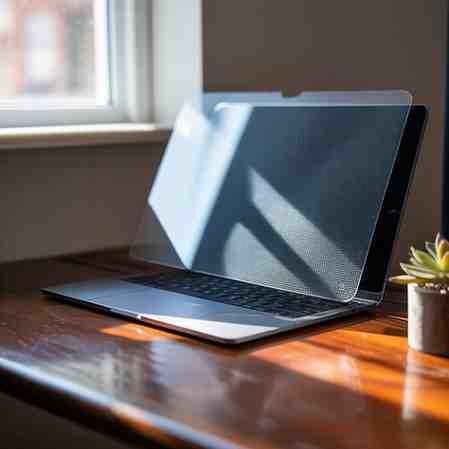
Privacy screen protectors are available for smartphones, laptops, tablets, and desktop monitors. For smartphones, they are widely used by commuters and travellers who frequently use devices in public. These protectors are designed to maintain touch sensitivity while blocking side views effectively.
For laptops and monitors, a privacy screen protector is especially useful in offices and shared workspaces. Many laptop privacy screens are removable, allowing users to attach or remove them as needed. This flexibility makes them a practical choice for hybrid and remote work environments.
How to Choose the Right Privacy Screen Protector
Choosing the right privacy screen protector requires careful consideration of device compatibility and viewing angle. It is essential to select a protector designed specifically for your device model to ensure proper fit and performance. Additionally, viewing angle strength should match your privacy needs.
Furthermore, material quality and additional features play a key role in decision-making. Features such as anti-glare coating, fingerprint resistance, and blue-light filtering add extra value. Therefore, investing in a high-quality privacy screen protector ensures long-term satisfaction and effective privacy protection.
Use Cases Where Privacy Screen Protectors Are Most Useful
Privacy screen protectors are particularly useful in public transportation, airports, cafés, and libraries. In such environments, screens are easily exposed to strangers. A privacy screen protector prevents others from reading messages, emails, or financial information without your consent.
They are also highly beneficial in professional settings, especially for employees handling sensitive business data. Healthcare workers, financial professionals, and remote employees rely on privacy screen protectors to maintain confidentiality and meet data protection standards.
How to Install a Privacy Screen Protector Properly
Installing a privacy screen protector correctly is essential for achieving maximum effectiveness and clarity. First, clean the screen thoroughly using a microfiber cloth to remove dust, fingerprints, and smudges. Even a small particle can create bubbles or reduce touch sensitivity, so proper preparation is crucial before application.
Next, align the privacy screen protector carefully with the screen edges and sensors. Slowly apply it from one side to avoid air bubbles. Once installed, gently press the surface to secure adhesion. A properly installed privacy screen protector ensures smooth touch response and consistent privacy performance.
Maintenance and Care Tips
Maintaining a privacy screen protector helps extend its lifespan and performance. Regularly clean it using a soft cloth and a mild screen-safe cleaner. Avoid using harsh chemicals, as they can damage the privacy layer and reduce filtering efficiency.
Additionally, remove dust buildup from screen edges to prevent peeling over time. If the protector becomes cracked or loses clarity, replacing it is recommended. Proper care ensures that your privacy screen protector continues to provide reliable protection and visual comfort.
Common Myths About Privacy Screen Protectors
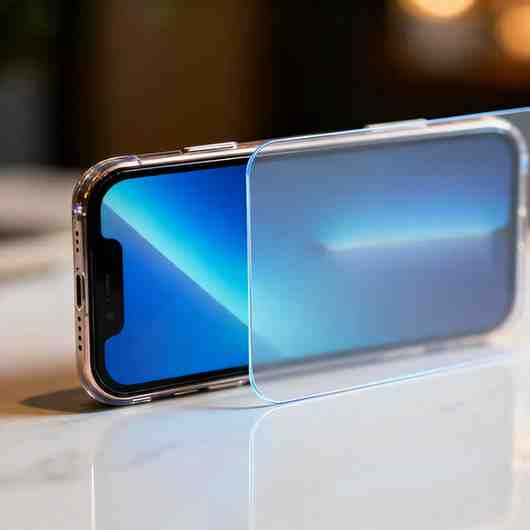
One common myth is that a privacy screen protector completely darkens the screen. In reality, high-quality protectors maintain clear visibility for the front user while blocking side angles. Any slight brightness reduction can usually be adjusted through screen settings.
Another misconception is that privacy screen protectors reduce touch sensitivity. However, modern designs preserve smooth touch response and accurate gestures. Therefore, when chosen correctly, a privacy screen protector enhances privacy without sacrificing usability.
Do Privacy Screen Protectors Affect Device Performance?
A privacy screen protector does not affect device speed, battery health, or internal performance. Since it is a physical accessory, it works independently of software or system processes. As a result, there is no impact on app performance or device efficiency.
However, users may slightly increase screen brightness to compensate for light filtering. While this can marginally affect battery usage, the difference is minimal. Overall, the privacy benefits far outweigh any minor adjustments required.
Expert Recommendations for Choosing the Best Option
Experts recommend selecting a privacy screen protector based on your daily usage environment. Professionals handling confidential data should choose narrow viewing angles for maximum protection. Meanwhile, casual users may prefer wider angles for better brightness and comfort.
Additionally, investing in reputable brands ensures better material quality and durability. Features such as anti-glare coating and fingerprint resistance enhance the user experience. Therefore, choosing a high-quality privacy screen protector is a smart long-term investment.
Read Also: Blue Whale Challenge: Facts, Myths & Online Safety
Conclusion
In an era where digital privacy is constantly at risk, protecting on-screen information has become essential. A privacy screen protector offers a simple yet powerful solution to prevent visual hacking and maintain confidentiality in public and professional settings.
By choosing the right privacy screen protector and using it correctly, users can enjoy peace of mind without compromising screen quality. Ultimately, this small accessory plays a big role in safeguarding personal and professional data.
FAQs
Q1: What is a privacy screen protector?
A privacy screen protector is a screen cover that blocks side viewing angles, allowing only the front user to see the display clearly.
Q2: How does a privacy screen protector work?
It uses micro-louvre technology to restrict light visibility from the sides while keeping the front view clear.
Q3: Does a privacy screen protector reduce screen brightness?
Yes, slightly, but increasing screen brightness easily compensates for the difference.
Q4: Can a privacy screen protector be used on laptops and phones?
Yes, privacy screen protectors are available for smartphones, laptops, tablets, and monitors.
Q5: Does a privacy screen protector affect touch sensitivity?
No, high-quality privacy screen protectors maintain smooth touch responsiveness.