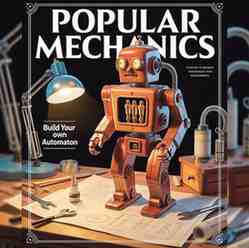
Since its inception in 1902, Popular Mechanics has remained one of the most influential sources of information for technology enthusiasts, DIY aficionados, and anyone interested in the latest scientific advancements. From its early days as a magazine that aimed to simplify the complex world of mechanics and science, Popular Mechanics has evolved into a multi-platform powerhouse. But what exactly is Popular Mechanics, and why has it stood the test of time? This article will dive deep into the history, mission, and importance of Popular Mechanics, while exploring how it continues to shape modern culture today.
At its core, Popular Mechanics is all about demystifying technology and science. Whether it’s breaking down the latest automotive trends or offering practical DIY advice, Popular Mechanics has always strived to make complex topics accessible to everyone. The magazine’s mission statement, “written so you can understand it,” captures the essence of what it aims to do: make science and technology both comprehensible and relatable. Over the years, this has allowed Popular Mechanics to maintain a loyal readership while continuously expanding its reach to new generations of curious minds.
What Popular Mechanics Has Always Represented
One of the primary goals of Popular Mechanics is to offer its audience a space where they can discover, learn, and implement new ideas. The magazine’s content ranges from understanding the latest technological breakthroughs, exploring space, and understanding automotive engineering, to practical, hands-on DIY projects. It’s the go-to resource for anyone looking to combine curiosity with practicality. Whether it’s learning how to build a new gadget or understanding the principles behind modern innovations, Popular Mechanics gives its readers the tools to dive into the world of technology.
Popular Mechanics has always excelled at being relevant to its audience by covering a diverse range of topics that speak to everyday interests. The magazine offers something for everyone,e whether you’re an experienced DIYer looking for new challenges or someone interested in learning about the latest gadgets. Its focus on practicality and innovation ensures that its readers are not just passive consumers of information but active participants in a constantly evolving world of technological advancement.
The Origins of Popular Mechanics: A Historic Timeline
To truly understand the significance of Popular Mechanics, it’s essential to look back at its origins. Founded by Henry Haven Windsor on January 11, 1902, the magazine was born out of a desire to simplify the mechanics of technology. From the very beginning, Windsor recognised the growing interest in industrial machinery and science, and saw an opportunity to connect these topics with the general public.
In its early days, Popular Mechanics was a weekly publication that focused on practical solutions for engineers and the mechanically inclined. It quickly gained popularity for its accessible writing style and its focus on not just the mechanics of machines, but also the human stories behind them. Over time, as the world’s technological landscape expanded, so did the magazine’s content. It moved from primarily covering machines and mechanical innovations to embracing new topics like aerodynamics, space exploration, electronics, and computing.
From Print to Digital:
The shift from print to digital was a critical moment for many traditional publications, and Popular Mechanics was no exception. In the 21st century, as readers moved increasingly toward digital content, the magazine found ways to adapt while staying true to its mission. Today, Popular Mechanics is not only available in print, but it has expanded its presence online through a robust digital platform that includes articles, videos, and interactive content.
The magazine’s website, popularmechanics.com, offers the same depth of content as its print edition but with the added benefits of real-time updates, multimedia features, and a more interactive user experience. Topics like the latest technology news, auto industry innovations, and step-by-step DIY guides can now be explored with a click of a button, offering readers immediate access to a wealth of information. As of 2026, Popular Mechanics has maintained its position as a leading source of information for anyone interested in exploring the cutting edge of technology and science.
Embracing New Topics
As the world of technology and science has continued to evolve, so too has Popular Mechanics. What began as a magazine focused on mechanical innovations has gradually embraced a broader range of topics that reflect the changing landscape of the 21st century. Over the years, the magazine has expanded its coverage to include space exploration, artificial intelligence, biotechnology, and green energy.
In the early years, Popular Mechanics was known for its in-depth coverage of industrial machinery and engineering. However, as new technologies emerged, the magazine adapted its focus to ensure that it stayed relevant to the changing interests of its readers. For example, in the 1950s and 1960s, the magazine began to explore emerging technologies such as aerospace and computers. The 21st century has brought new challenges and opportunities, including the rise of renewable energy, the growing importance of smart devices, and the expansion of artificial intelligence in everyday life.
Digital Transformation and Multimedia Integration
One of the most significant changes that Popular Mechanics has undergone in recent years is its transition from a print-based publication to a dynamic digital presence. The magazine’s website, popularmechanics.com, has become a key hub for real-time updates on technology, offering a wide range of multimedia content such as videos, interactive graphics, and in-depth articles.
This digital transformation has allowed Popular Mechanics to reach a much broader audience, particularly younger readers who are more likely to consume content online rather than in print. The website features regular articles on cutting-edge technology and how-to guides, alongside multimedia features that bring topics to life. From virtual reality to quantum computing, the magazine’s digital platform provides an engaging way to explore some of the most exciting developments in modern science.
A Resource for Makers and Innovators
Another area where Popular Mechanics has made a lasting impact is in the DIY community. For decades, the magazine has been the go-to guide for makers, engineers, and hobbyists looking to build or fix things themselves. Through detailed instructions, blueprints, and tutorials, Popular Mechanics has empowered its readers to take on ambitious projects, from home improvements to automotive repairs.
This spirit of innovation and creativity has resonated with a growing number of people who embrace the DIY lifestyle. Whether it’s constructing a wooden bookshelf, installing solar panels, or building a custom computer, the magazine has always provided the tools and information needed to tackle such projects confidently. The magazine’s influence on DIY culture is undeniable, and it continues to foster an environment where innovation thrives.
How Popular Mechanics Stays Relevant in a Fast-Paced World
In an era where information is available at the click of a button, staying relevant is no easy feat. However, MechanicsPopular has managed to remain a trusted resource, even in a world dominated by social media and crowdsourced knowledge. One of the keys to its success has been the magazine’s ability to combine authoritative content with user-friendly formats, making it accessible to both tech experts and novices alike.
The Pop Mech YouTube channel is a prime example of this effort to meet readers where they are. By creating engaging videos that explain complex topics, from how engines work to what’s inside the latest smartphones, Popular Mechanics has built a loyal following among viewers who prefer learning visually. These videos not only complement the magazine’s written content but also allow the magazine to connect with a new generation of readers who consume content in more interactive ways.
Shaping How We See Technology
Perhaps one of the most important contributions that Popular Mechanics has made to modern culture is its role in shaping the way we think about technology. Through its straightforward and accessible writing style, the magazine has helped demystify complex topics, allowing readers to not only understand technology but also engage with it.
This approach has had a profound impact on how we view technology in everyday life. For example, the magazine’s coverage of sustainable technology has sparked interest in green innovations such as solar power and electric vehicles. Similarly, its articles on artificial intelligence have helped to broaden our understanding of the technology, sparking discussions about its potential benefits and ethical implications.
Embracing New Frontiers in Science and Technology
As we move further into the 21st century, the role of there in shaping the understanding of emerging technologies will only continue to grow. With advancements in artificial intelligence, space exploration, and sustainable energy, it remains at the forefront of explaining how these innovations will impact our lives. The magazine’s ability to simplify complex topics ensures that readers stay informed about the latest and most relevant technological breakthroughs.
The future of this lies in its ability to adapt to the rapid pace of technological change. As new frontiers like quantum computing and deep space exploration gain momentum, the magazine will need to continue its tradition of breaking down complex topics and making them accessible to a wide audience. The potential for groundbreaking discoveries is enormous, and it will be there to help readers navigate these exciting, often daunting, technological advancements.
How Popular Mechanics Engages a New Generation of Tech Enthusiasts
The digital age has brought with it a shift in how audiences consume information. With millennials and Generation Z increasingly turning to online platforms for news, entertainment, and education, it has made significant strides in ensuring it remains a vital resource for younger generations. By embracing social media and multimedia content, the magazine has successfully connected with younger, tech-savvy readers who are more likely to engage with online content.
The magazine’s online presence, complete with interactive articles, videos, and podcasts, caters to the needs of modern readers. By incorporating platforms such as Instagram, YouTube, and Twitter, Popular Mechanics has built an engaged community of tech enthusiasts. This expansion into digital formats ensures that the magazine remains relevant to a new generation of tech fans who want to consume content in more interactive, dynamic ways.
Innovative Partnerships and Collaborations:
To stay ahead of the curve, it is likely to form innovative partnerships and collaborations with tech companies, universities, and thought leaders in the industry. These partnerships could lead to exclusive content, access to cutting-edge technologies, or collaborative efforts in scientific research and product testing. By working with the brightest minds in technology, the magazine can ensure that its content remains relevant, accurate, and insightful.
One area where it has already made significant strides is in sustainability. By partnering with green energy companies and eco-conscious innovators, the magazine can provide its readers with insights into the future of energy and how they can participate in creating a more sustainable world. Whether through renewable energy guides, tips for eco-friendly living, or coverage of new green technologies, these partnerships can elevate their role in shaping the future of environmental sustainability.
Keeping True to Its Roots: Approach Will Endure
While embracing digital transformation and venturing into new areas of technology, it will continue to stay true to its roots. The magazine’s ability to simplify complex subjects and present them in a way that appeals to a wide audience has always been its strength. Whether it’s an article about DIY projects, technology breakthroughs, or automotive innovations, it has always been about accessibility.
As long as the magazine remains focused on delivering practical insights and actionable information, its appeal will remain strong. The key to its continued success lies in balancing its traditional strengths with its willingness to adapt and evolve. As long as it continues to prioritise clarity, reliability, and user-friendly content, it will remain a trusted authority on all things related to science and technology.
Read Also: Portable Dishwasher: Space-Saving and Efficient Dishwasher
Conclusion
In conclusion, it has proven itself to be more than just a magazine. It’s a living, breathing source of knowledge that continuously evolves with the changing tides of technology, science, and culture. From its origins in the early 20th century to its digital transformation today, it has maintained its commitment to explaining the complex world of technology in a way that is accessible and engaging for all.
As the world of innovation continues to unfold, it will undoubtedly remain a cornerstone of knowledge, providing readers with valuable insights into the technologies that shape our future. Whether through cutting-edge reports, hands-on tutorials, or exclusive collaborations, this will continue to be a trusted resource for both seasoned tech enthusiasts and curious minds alike.