

In a market filled with flashy labels and short-term solutions, barkeepers friend stands out because of its reliability rather than marketing claims. Over the years, it has earned a strong reputation among homeowners and professionals who value results over trends. Instead of masking stains, it focuses on removing them from the surface level.
Moreover, this cleaner continues to remain relevant because it solves real problems. From stubborn cookware stains to dull metal surfaces, it offers a practical approach to cleaning. As a result, people who try it once often continue using it for years.
What Is BarKeepers Friend?
Barkeepers friend is a powdered cleaning product designed to tackle tough stains on non-porous surfaces. Its effectiveness comes from oxalic acid combined with mild abrasives, which work together to lift grime without aggressive scrubbing. Because of this formula, it performs well where ordinary cleaners fail.
At the same time, it is important to understand what it is not. This product is not a disinfectant or sanitiser. Instead, it specialises in stain removal, surface restoration, and mineral buildup reduction, which makes it a targeted cleaning solution rather than an all-purpose chemical.
The Science Behind Its Cleaning Power
The strength of barkeepers friend lies in how it interacts with stains. Oxalic acid reacts chemically with rust, limescale, and oxidation, loosening their grip on surfaces. Consequently, stains that appear permanent often disappear with minimal effort.
In addition, the gentle abrasive particles enhance the cleaning process without causing damage when used correctly. This balance allows users to clean effectively while maintaining the integrity of surfaces. Therefore, controlled application becomes the key to successful results.
A Brief History and Long-Standing Trust
Originally developed in the late 1800s, barkeepers friend was created to clean metal surfaces in bars and restaurants. At that time, maintaining clean and polished fixtures was essential for business owners. This product met that need efficiently and safely.
Over time, its use expanded beyond commercial spaces. Home kitchens, workshops, and bathrooms became common places for its application. Because it consistently delivered results, trust grew naturally, making it a long-term staple rather than a passing product.
Why Professionals Continue to Recommend It
Professional chefs and cleaners often rely on barkeepers friend because it restores rather than replaces. Burnt pans, stained sinks, and dulled tools can often be revived instead of discarded. As a result, it saves both money and resources.
Additionally, professionals value predictability. When used correctly, this cleaner produces consistent outcomes. That reliability makes it a preferred choice in environments where efficiency and surface care are equally important.
Common Problems It Is Designed to Solve
One of the most common uses of barkeepers friend is removing rust stains from stainless steel. Water exposure and metal contact often leave marks that regular soap cannot remove. In such cases, this product restores the original appearance.
Similarly, it works effectively on cookware with baked-on residue. Pans that appear permanently damaged can often be cleaned with careful use. Therefore, it extends the life of kitchen tools that would otherwise be replaced.
How It Fits Into Modern Cleaning Routines
Modern households prefer fewer but more effective cleaning products. Barkeepers friend aligns well with this mindset because it performs multiple tasks without unnecessary complexity. Consequently, it reduces the need for multiple specialised cleaners.
However, modern usage also demands informed handling. Understanding where and how to apply it is essential. When used thoughtfully, it becomes a reliable part of a sustainable and efficient cleaning routine.
Experience, Authority, and Practical Knowledge
The credibility of barkeepers friend is built on decades of real-world use. Unlike trend-based products, it has been tested repeatedly in demanding environments. This long-term performance strengthens its authority.
Furthermore, shared user experiences reinforce its reliability. Many users emphasize that small quantities are sufficient and that patience yields better results. These insights reflect practical knowledge gained through experience rather than theory.
Preparing Surfaces Before Cleaning
Before applying barkeepers friend, surface preparation plays a critical role in achieving safe and effective results. Most surfaces should be lightly wetted first, as moisture activates the cleaner and helps distribute it evenly. This step also reduces unnecessary abrasion during scrubbing.
In addition, loose debris or food particles should be removed beforehand. When surfaces are clean of dust and residue, the cleaner can focus entirely on stains and discolouration. As a result, the cleaning process becomes more efficient and controlled.
Correct Application Method for Best Results
Using barkeepers friend correctly requires moderation rather than force. A small amount sprinkled onto a damp surface is usually enough to form a light paste. Gentle pressure with a soft cloth or sponge allows the product to work without damaging the material.
Furthermore, timing matters greatly. The cleaner should not be left on surfaces for extended periods. Instead, brief contact followed by light scrubbing produces the best outcome. This approach preserves surface integrity while still delivering visible results.
Surfaces Where Bar Keepers Friend Works Best
Barkeepers friend performs exceptionally well on non-porous and durable materials. Stainless steel sinks, cookware, ceramic dishes, and glass surfaces respond particularly well to its formulation. These materials can handle both the chemical and abrasive components when used properly.
Additionally, porcelain fixtures and sealed metal surfaces benefit from its stain-removing ability. Over time, these areas develop mineral deposits and discolouration. With careful application, the cleaner restores brightness without the need for harsh chemicals.
Surfaces You Should Avoid Cleaning
Despite its versatility, barkeepers friend is not suitable for every surface. Porous materials such as marble, granite, and unsealed stone can be permanently damaged by acidic cleaners. Therefore, avoiding these surfaces is essential for long-term protection.
Similarly, non-stick coatings, wood, leather, and painted finishes should never be cleaned with this product. These materials are sensitive to abrasion and acidity. Using the wrong cleaner can strip coatings or cause irreversible marks.
Using It on Cookware and Kitchen Tools
One of the most popular uses of barkeepers friend is restoring cookware. Burnt-on food, oil stains, and discolouration often build up over time. When applied gently, the cleaner helps lift residue without aggressive scraping.
However, caution is still necessary. Non-stick pans should be excluded, and aluminiumm cookware should be tested on a small area first. This ensures the surface reacts well before full application, preventing unwanted dullness.
Bathroom and Utility Area Applications
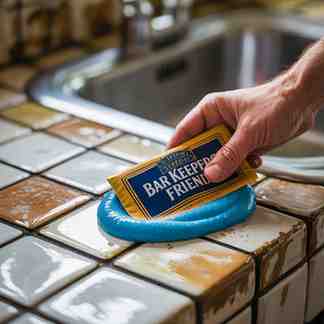
In bathrooms, barkeepers friend is often used to tackle soap scum and hard water stains. Porcelain sinks, tubs, and tiles regain their original look when treated carefully. The cleaner works especially well in areas where mineral buildup is common.
Likewise, utility areas such as laundry sinks and metal fixtures benefit from its targeted action. Because these spaces face frequent water exposure, stains accumulate quickly. Controlled use helps maintain cleanliness without frequent replacements.
Safety Measures Every User Should Follow
Safety should always come first when using barkeepers friend. Gloves are recommended, especially for those with sensitive skin. Additionally, proper ventilation ensures comfort during use and reduces irritation.
Equally important, this cleaner should never be mixed with bleach or ammonia. Combining chemicals can release harmful fumes. By following instructions carefully, users can enjoy effective cleaning without unnecessary risk.
Common Mistakes and How to Avoid Them
One common mistake is applying too much product. More cleaner does not mean better results. In fact, excess use can increase abrasion and make rinsing difficult. A light application is usually sufficient.
Another frequent error is scrubbing too aggressively. Letting barkeepers friend do the work is far more effective than force. Gentle motion combined with patience yields cleaner surfaces and longer-lasting results.
Building a Consistent Cleaning Routine
Incorporating barkeepers friend into a regular routine improves long-term cleanliness. Instead of waiting for severe stains, light periodic use prevents buildup. This proactive approach reduces effort over time.
Moreover, consistency helps users understand how different surfaces respond. With experience, cleaning becomes quicker and more precise. As a result, the product becomes a reliable tool rather than an occasional fix.
Long-Term Benefits of Using Bar Keepers Friend
Regular and careful use of barkeepers friend offers benefits that go beyond surface-level cleaning. Over time, it helps prevent the buildup of rust, mineral deposits, and discolouration, which are often harder to remove once they become severe. This preventive approach reduces the need for aggressive cleaning later.
Additionally, maintaining surfaces with proper products extends their lifespan. Cookware, sinks, and fixtures remain functional and visually appealing for longer periods. As a result, users save money by avoiding premature replacements and repairs.
Different Product Variations and Their Uses
While the powdered version of barkeepers friend is the most widely known, other variations are designed for specific needs. Liquid and soft cleanser forms provide gentler options for delicate surfaces. These versions reduce abrasion while maintaining cleaning effectiveness.
Choosing the correct type depends on the task at hand. Heavily stained metal surfaces respond well to the powder, whereas everyday maintenance may benefit from softer formulations. Understanding these differences improves both safety and results.
Expert Tips for Best Cleaning Outcomes
Cleaning professionals often recommend testing barkeepers friend on a small area before full use. This simple step confirms surface compatibility and prevents unexpected reactions. It is especially useful for older or less common materials.
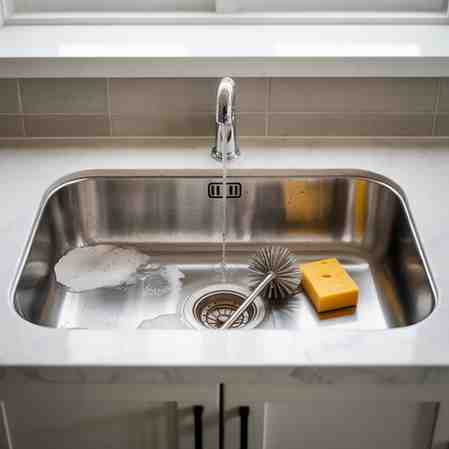
Another expert suggestion is to rinse and dry surfaces immediately after cleaning. Residue left behind can dull finishes over time. Proper rinsing ensures that the surface remains smooth, clean, and free from streaks.
Environmental and Practical Considerations
Compared to many harsh cleaners, barkeepers friend is used in small quantities. Because only a little product is needed, it produces less waste over time. This efficiency aligns well with environmentally conscious cleaning habits.
Furthermore, its long shelf life makes it practical for households that prefer fewer products. Rather than stocking multiple cleaners, users can rely on one trusted solution for various tasks. This simplifies storage and reduces clutter.
Building Trust Through Responsible Use
Trust in any cleaning product comes from consistent and safe results. Barkeepers friend has earned that trust by performing well when used as directed. Clear instructions and predictable outcomes strengthen user confidence.
Moreover, responsible use reflects experience and knowledge. Understanding limitations, surface compatibility, and safety guidelines ensures that results remain positive. This informed approach enhances both effectiveness and long-term satisfaction.
Common Myths and Misunderstandings
A frequent misconception is that stronger scrubbing leads to better results. In reality, barkeepers friend works best with gentle motion and patience. Excessive force can harm surfaces without improving effectiveness.
Another misunderstanding is assuming it works on all materials. While versatile, it is not universal. Recognising its limits prevents damage and promotes smarter cleaning choices.
Read Also: Aura Farming: Meaning, Examples & Why It’s Trending
Conclusion
Barkeepers friend remains a valuable cleaning solution because it balances power with control. Its ability to remove stubborn stains while preserving surfaces makes it a trusted choice. When used thoughtfully, it delivers consistent results.
Ultimately, effective cleaning is about knowledge as much as products. By understanding how and where to use this cleaner, users can maintain cleaner spaces with less effort. This informed approach ensures long-term satisfaction and reliable performance.
FAQs
What is Bar Keepers Friend used for?
Bar Keepers Friend is used to remove tough stains, rust, mineral buildup, and discolouration from non-porous surfaces like stainless steel, porcelain, and ceramic.
Is Bar Keepers Friend safe to use regularly?
Yes, when used correctly and on suitable surfaces, it can be used regularly. However, excessive scrubbing or misuse should be avoided.
Can Bar Keepers Friend damage surfaces?
It can damage delicate or porous materials such as marble, granite, wood, and non-stick coatings. Always check surface compatibility before use.
Do I need to wear gloves while using it?
Wearing gloves is recommended, especially for sensitive skin, as the cleaner contains mild acids that may cause irritation with prolonged contact.
Is Bar Keepers Friend safe for kitchen use?
Yes, it is safe for kitchen surfaces as long as all cleaned areas are thoroughly rinsed with water after use.
Can it be mixed with other cleaners?
No, it should never be mixed with bleach or ammonia, as this can produce harmful fumes.