Brand name normalization rules: In modern business environments, data is often treated as a strategic asset, yet its value depends heavily on consistency. Many organisations unknowingly store the same company under multiple name variations, which creates fragmentation across systems. For example, a single brand might appear as “Amazon,” “Amazon Inc.,” or “AMAZON.COM,” and although humans recognise them as identical, software systems frequently do not. As a result, duplicate entries emerge, analytics become unreliable, and reporting accuracy begins to decline over time.
Furthermore, this inconsistency does not remain confined to internal systems; instead, it spreads across marketing platforms, CRMs, and third-party integrations. Consequently, teams struggle to gain a unified view of their data, which directly impacts decision making and operational efficiency. In addition, when data flows between tools without standardisation, errors multiply quickly, making it difficult to maintain control. Therefore, what initially appears to be a minor formatting issue can ultimately lead to significant business challenges.
What Are Brand Name Normalization Rules?
To address these challenges, businesses rely on brand name normalization rules, which provide a structured method for standardising company names across all datasets. In simple terms, normalization ensures that every variation of a brand name is converted into a single, consistent format. This process typically involves removing unnecessary suffixes, standardising capitalisation, and resolving abbreviations so that all entries align with a predefined version.
From a technical standpoint, normalisation transforms raw input into a canonical form that systems can easily recognise and process. For instance, variations like “Microsoft Corp,” “MICROSOFT,” and “Microsoft Corporation” can all be standardised to “Microsoft.” As a result, systems treat them as one entity, which improves data clarity and usability. Moreover, this consistency enhances integration between tools and supports more accurate analysis, making normalisation an essential component of modern data management.
Why Brand Name Normalisation Rules Matter More Than Ever
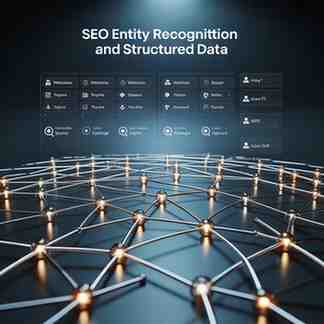
As digital ecosystems continue to evolve, the importance of structured and consistent data has increased significantly. Today, search engines and AI driven systems focus on understanding entities rather than just matching keywords. Because of this shift, inconsistent brand names can create confusion for algorithms, which may struggle to connect different variations to a single entity. Consequently, this can weaken search visibility and reduce the effectiveness of digital strategies.
In addition, artificial intelligence tools depend on clean datasets to deliver accurate insights and recommendations. When brand names are inconsistent, these systems may produce incomplete or misleading outputs. At the same time, users interacting with a brand expect a seamless and consistent experience across all touchpoints. Therefore, maintaining standardised naming not only supports better technology performance but also strengthens brand credibility and trust in the long run.
Core Principles Behind Effective Normalization
To implement normalization effectively, organizations must follow a few fundamental principles that ensure long-term success. First, consistency should always take priority, meaning that one approved format must be used across all systems without exception. At the same time, simplicity is essential, as overly complex rules can create confusion and increase the likelihood of errors during implementation.
Another key principle is scalability, since data volumes grow as businesses expand, requiring rules that can handle large datasets efficiently. Moreover, exception handling plays a critical role, as some brands use unique capitalisation or formatting that should not be altered. Therefore, a well-designed normalization strategy balances standardization with flexibility, ensuring both accuracy and adaptability in different scenarios.
The Role of Normalization in CRM and Data Management
Customer Relationship Management systems serve as the backbone of many business operations, storing valuable information about leads and customers. However, their effectiveness depends largely on data quality, and inconsistent brand names can severely limit their potential. When duplicates exist, teams find it difficult to track interactions accurately, which leads to inefficiencies and missed opportunities.
On the other hand, applying brand name normalization rules significantly improves data reliability and usability within CRM platforms. With standardized names, teams can easily identify unique entities, generate accurate reports, and make informed decisions. Additionally, consistent data simplifies integration with other tools, enabling smoother workflows and better collaboration. As a result, normalization becomes a foundational step toward building a more efficient and data-driven organization.
Essential Rules for Standardizing Brand Names
To achieve consistent and reliable data, businesses must apply a clear set of normalization rules. These rules act as a foundation, ensuring that every brand name follows a predictable structure regardless of how it is originally entered. First, removing legal suffixes such as “Inc,” “LLC,” “Ltd,” and “Corp” is a common practice, as these elements often add noise rather than value. However, in some cases, companies may choose to retain them for legal or compliance reasons, so flexibility is important.
In addition, standardising capitalisation plays a crucial role in maintaining uniformity. While some systems prefer title case, others may adopt lowercase formats for simplicity. At the same time, punctuation and special characters should be handled carefully, as symbols like “&,” commas, or hyphens can create unnecessary variations. Therefore, cleaning these elements ensures that brand names remain consistent across all datasets while still preserving their original identity where needed.
Handling Abbreviations, Spacing, and Common Variations
Another important aspect of brand name normalization rules involves managing abbreviations and formatting inconsistencies. For example, words like “International” may appear as “Intl,” and “Technology” might be shortened to “Tech.” In such cases, businesses must decide whether to expand or standardize these abbreviations based on their preferred naming convention. Meanwhile, well known abbreviations such as “IBM” or “3M” should remain unchanged, as they are part of the brand’s identity.
Similarly, spacing issues often arise when data is collected from multiple sources. Extra spaces, inconsistent formatting, or merged words can all create discrepancies. By applying rules to normalize spacing and structure, organizations can eliminate these inconsistencies effectively. Furthermore, handling prefixes like “The” requires careful consideration, since removing or retaining them depends on context. As a result, a thoughtful approach ensures both accuracy and brand integrity.
Building a Step-by-Step Normalization Framework
Once the rules are defined, the next step is to implement them through a structured framework. The process typically begins with a data audit, where existing records are analysed to identify duplicates and inconsistencies. This step is critical because it provides a clear understanding of the current data landscape and highlights areas that require immediate attention.
After the audit, businesses should define canonical names for each brand. These standardized versions act as the single source of truth, ensuring consistency across all systems. Following this, a rule engine can be developed to apply normalization steps automatically. Additionally, creating an exception list is essential for handling unique cases that do not follow standard patterns. Therefore, by combining automation with controlled exceptions, organizations can achieve both efficiency and accuracy.
Automation vs Manual Control in Normalization
As data volumes grow, automation becomes increasingly important in maintaining consistency. Tasks such as removing suffixes, standardizing capitalization, and cleaning punctuation can be easily automated, which saves time and reduces human error. Moreover, automated processes ensure that new data entering the system follows the same rules, preventing inconsistencies from reappearing.
However, not all scenarios can be handled automatically. Complex cases, such as merging similar brands or distinguishing between parent companies and subsidiaries, often require human judgment. For instance, deciding whether two similar names represent the same entity may involve contextual analysis that automation alone cannot provide. Therefore, a balanced approach that combines automation with manual oversight is essential for achieving reliable results.
Advanced Strategies for Complex Data Environments

In more advanced use cases, normalization extends beyond basic formatting rules. Businesses must consider relationships between entities, such as parent companies and their sub diaries. For example, a company may operate multiple brands under one umbrella, and deciding whether to merge or separate these entities depends on business objectives. Consequently, normalization strategies should align with how the organization wants to structure its data.
Additionally, regional variations present another layer of complexity. A global brand may have different naming conventions in different markets, which requires careful handling to maintain consistency without losing local relevance. At the same time, misspellings and user generated variations can introduce further challenges. By using intelligent matching techniques and validation processes, businesses can address these issues effectively. Ultimately, advanced strategies ensure that normalization remains robust even in dynamic and complex data environments.
From Rules to Real World Application
Implementing brand name normalization rules is not just about defining guidelines; it is about integrating them into everyday workflows. This means applying normalization at the point of data entry, whether through forms, APIs, or CRM systems. By doing so, businesses can prevent inconsistencies before they occur rather than fixing them later.
Moreover, continuous monitoring is essential to ensure long term success. As new data sources are added and business needs evolve, normalization rules must be updated accordingly. Therefore, organizations should treat normalization as an ongoing process that adapts to changing requirements. In the next part, we will explore common mistakes, SEO implications, tools, and the future of normalization in the age of AI.
Common Mistakes Businesses Make in Normalization
Even when organizations understand the importance of brand name normalization rules, they often make critical mistakes during implementation. One of the most common errors is over normalization, where too many variations are aggressively merged into a single entity. As a result, unrelated brands may be incorrectly grouped together, which leads to inaccurate reporting and distorted insights.
In addition, many businesses treat normalization as a one-time cleanup task rather than an ongoing process. However, data is constantly evolving, and new inconsistencies continue to appear as systems scale. Therefore, without continuous monitoring, previously cleaned data can quickly become messy again. Another frequent issue is ignoring edge cases, such as unique brand spellings or culturally specific naming conventions, which can cause important identity details to be lost if handled incorrectly.
Impact of Brand Name Normalization on SEO and AI Systems
In today’s digital landscape, search engines and AI models rely heavily on structured data to understand entities accurately. When brand names are inconsistent, it becomes difficult for these systems to connect different variations to a single authoritative source. Consequently, this can weaken entity recognition and reduce a brand’s visibility in search results.
Moreover, modern SEO is no longer just about keywords; it is about entity-based search. Therefore, inconsistent naming can dilute brand authority signals across the web. At the same time, AI systems such as recommendation engines and conversational assistants depend on clean datasets to provide accurate responses. If brand names are fragmented, these systems may misinterpret or fail to recognize the brand entirely. As a result, proper normalization directly supports stronger SEO performance and more reliable AI-driven interactions.
Tools and Technologies for Effective Normalization
To implement brand name normalization rules efficiently, businesses often rely on specialized tools and platforms. Customer Relationship Management systems like Salesforce or HubSpot offer built-in data cleaning features that help standardize records during entry. In addition, data enrichment tools such as Clearbit or similar services can help verify and normalize company information automatically.
Furthermore, modern data processing platforms use AI powered algorithms to detect duplicates and suggest canonical names based on similarity scoring. These systems can significantly reduce manual effort while improving accuracy. However, despite technological advancements, human oversight remains essential to validate complex cases and ensure that important contextual details are not lost during automation.
The Future of Brand Name Normalization in the Age of AI
As artificial intelligence continues to evolve, the future of normalization is becoming increasingly intelligent and autonomous. Instead of relying solely on static rules, future systems will likely use machine learning models to understand context and make real time normalization decisions. This will allow businesses to handle large-scale, dynamic datasets with greater precision and speed.
In addition, integration with knowledge graphs will play a major role in improving entity recognition. These graphs help AI systems understand relationships between brands, subsidiaries, and related entities, which enhances consistency across platforms. Moreover, real time normalization at the point of data entry will become more common, ensuring that inconsistencies are prevented before they even enter the system. Therefore, normalization will shift from a reactive process to a proactive intelligence layer within data ecosystems.
Why Consistency Builds Stronger Brand Authority
Beyond technical benefits, normalization also plays a crucial role in shaping brand perception. When a brand is represented consistently across platforms, it strengthens recognition and trust among users. On the other hand, inconsistent naming can create confusion and reduce credibility, especially in competitive markets where first impressions matter.
Additionally, consistent brand data ensures that all marketing efforts contribute toward a unified identity. This alignment improves campaign tracking, enhances analytics accuracy, and supports better strategic decisions. Therefore, normalization is not just a technical necessity but also a branding advantage that influences how a company is perceived in the digital space.
Conclusion
In conclusion, brand name normalization rules are essential for maintaining clean, reliable, and scalable data systems. From improving CRM accuracy to enhancing SEO performance and supporting AI driven tools, normalization plays a foundational role in modern digital infrastructure. Without it, businesses risk fragmentation, inefficiency, and reduced visibility across multiple platforms.
Ultimately, organizations that invest in strong normalization practices create a “single source of truth” for their brand data. This not only improves operational efficiency but also strengthens long term brand authority. Therefore, as data continues to grow in complexity, normalization will remain a critical pillar of successful digital transformation.
FAQs
1. What are brand name normalization rules?
They are structured guidelines used to standardize different variations of brand names into a single consistent format.
2. Why is brand normalization important for SEO?
It helps search engines correctly identify entities, improving visibility and strengthening brand authority signals.
3. Should legal suffixes like Inc or LLC be removed?
In most cases, yes, but it depends on business requirements and legal considerations.
4. Is normalization a one-time process?
No, it is an ongoing process because new data inconsistencies appear continuously.
5. What tools help with normalization?
CRM systems, data enrichment tools, and AI based data cleaning platforms are commonly used.