Living spaces: A home is more than walls, flooring, and décor. Instead, it reflects personality, comfort preferences, and daily lifestyle habits. Among all areas, the living room holds special importance because families gather there, guests are welcomed, and relaxation begins after a long day.
Therefore, designing functional and beautiful living spaces requires careful decisions. One of the most influential elements in this process is the sofa set. While many homeowners focus on wall coloursor decorative accessories, the sofa quietly shapes both visual harmony and physical comfort. Consequently, selecting the right sofa is not simply a purchase; it is a long-term lifestyle investment.
In today’s furniture market, options range from global retailers like Living Spaces to regional showrooms such as AZ Living Spaces. Each offers distinct styles, pricing structures, and service models. However, before comparing brands, it is essential to understand what makes a sofa suitable for modern homes.
The Evolution of Modern Living Spaces
Historically, formal sitting rooms were reserved for special occasions. Furniture often prioritised decoration over comfort. However, contemporary lifestyles have reshaped interior priorities. Today, flexibility, functionality, and daily usability guide furniture selection. As open-concept layouts gained popularity, living areas began blending with kitchens and dining spaces. Consequently, sofas started serving multiple purposes, including lounging, socialising, and even remote work. This shift significantly influenced sofa design trends.
For example, sectional sofas became popular because the maximizers to rearrange sections when needed. Therefore, modern living spaces now emphasise adaptability rather than rigid formality. Moreover, compact homes and urban apartments have increased demand for space-efficient furniture. Instead of oversized traditional sets, buyers now prefer clean lines and multi-functional designs. As a result, the sofa has evolved into a flexible anchor of everyday living.
Understanding Sofa Types Before You Buy
Before comparing prices or features, it is important to understand the main categories of sofa sets. Each type serves different spatial and lifestyle needs.
Traditional Sofa Sets
Traditional arrangements typically include a three-seater sofa with two single chairs. These designs often feature carved wooden details, structured backs, and patterned upholstery. Therefore, they suit formal living rooms or classic interiors.
However, while visually impressive, these sets often require more space. Consequently, they work better in larger rooms.
Sectional and L-Shaped Sofas
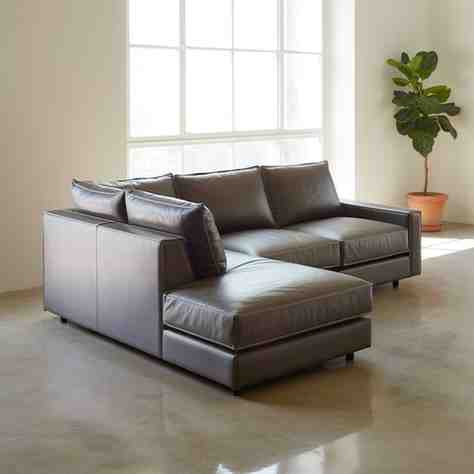
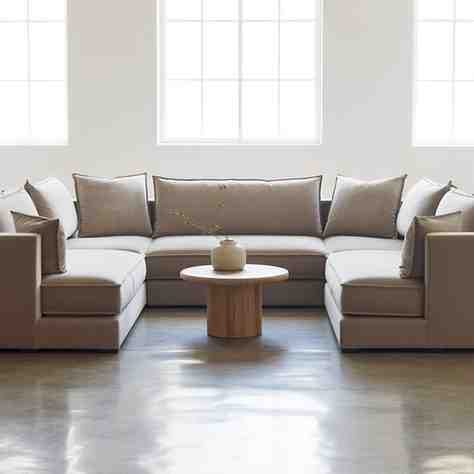
Sectional sofas are highly popular in contemporary living spaces. Unlike traditional sets, they consist of connected segments arranged in L-shaped or U-shaped layouts. This structure increases seating capacity while maintaining balance.
Furthermore, sectionals work especially well in open floor plans. They define seating areas without additional partitions. As a result, they create both functional and visual separation.
Modular Sofas
Modular sofas offer greater flexibility because individual sections can be rearranged. For instance, pieces can be separated for guests or combined for family gatherings. Therefore, they are ideal for dynamic households.
Additionally, modular designs adapt easily to layout changes.
Compact and Apartment Sofas
Smaller homes require proportionate furniture. Compact sofas provide comfort without overwhelming limited space. Consequently, they maintain smooth movement within smaller living spaces.
Although minimal in size, high-quality compact sofas still offer strong support when properly constructed.
Materials and Construction: What Truly Determines Quality
A sofa’s appearance may attract attention first. However, its internal construction determines durability and comfort. Therefore, buyers should carefully evaluate frame material, suspension systems, and cushioning.
Frame Quality
Hardwood frames typically provide superior durability compared to particleboard. Kiln-dried hardwood resists warping over time. Consequently, it significantly extends the sofa’s lifespan.
Metal frames can also be strong, particularly in modern designs. Regardless of material, reinforced joints and structural stability remain essential.
Cushion Filling
Meanwhile, feather blends create a softer feel. Therefore, personal comfort preference should guide this choice.
However, extremely soft cushions may compress quickly. As a result, balanced density is often the most practical solution.
Upholstery Fabric
Fabric selection directly affects maintenance and longevity. For example:
Leather offers durability and easy cleaning.
Performance fabrics resist stains and suit family homes.
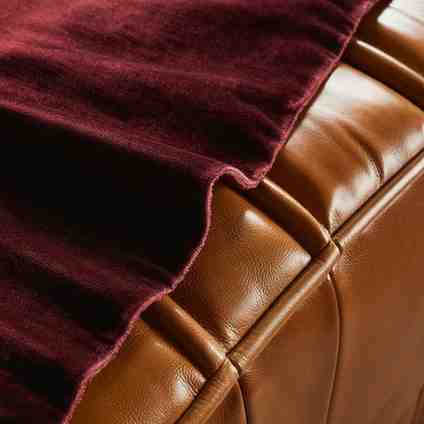
Velvet provides luxury appeal but requires careful care.
Consequently, lifestyle evaluation is necessary before choosing upholstery.
Brand Perspective: Global vs Local Furniture Retailers
When researching living spaces furniture, many buyers explore retailers such as Living Spaces. This American brand is known for offering diverse designs across affordable and mid-range categories. Its model emphasises variety, inventory scale, and streamlined delivery.
In contrast, regional providers like AZ Living Spaces often focus on customisation. Customers may select fabric, colour, or dimensions according to their specific room size.
Therefore, the choice between international and local retailers depends on priorities. If quick availability andstandardisedd pricing matter, large chains may appeal more. However, if personalised service and tailored dimensions are important, local showrooms may provide better value.
The Psychology of Comfort in Living Spaces
Comfort extends beyond physical softness. Psychological design elements also influence how a sofa feels. For example, deep seats encourage relaxation, while upright backs promote formal posture. Consequently, design subtly communicates how the space should function.
Moreover, colourpsychology affects mood. Neutral tones create calm environments, whereas bold shades introduce energy. Therefore, sofac colour should align with the intended atmosphere.
Proportion also plays a crucial role. An oversized sofa overwhelms a small room, while a small sofa looks incomplete in a large area. As a result, accurate room measurements are essential before making a purchase.
Creating a Practical Budget Without Sacrificing Quality
After understanding sofa types and construction basics, the next step is realistic budget planning. While many buyers begin with price comparison, experienced professionals recommend focusing on long-term value first. A lower upfront price may seem attractive; however, weak frames or low-density cushions often lead to early replacement. Therefore, durability should always be evaluated alongside cost.
Sofa pricing generally falls into three categories: entry-level, mid-range, and premium. Entry-level options often use engineered wood frames and basic foam. Although they may suit temporary setups, their lifespan can be limited. Mid-range sofas usually offer stronger construction and better upholstery choices. Consequently, they provide the best balance between affordability and durability. Premium models feature kiln-dried hardwood frames and advanced cushioning systems.
Online vs Showroom Shopping: Understanding the Difference
Furniture shopping habits have shifted significantly in recent years. Online platforms now provide detailed images, measurements, and user reviews. As a result, buyers can explore multiple designs without leaving home. However, digital convenience cannot fully replace physical testing.
In a showroom, customers can assess seat depth, back support, and cushion firmness firsthand. This direct experience often reveals comfort preferences that online descriptions cannot explain. Moreover, showroom staff can clarify fabric options and structural details. Therefore, visiting a physical store reduces uncertainty, especially for higher-budget purchases.
On the other hand, online shopping offers a broader selection and easy comparison. Filtering tools allow buyers to sort by size, colour and price quickly. Nevertheless, return policies become especially important when purchasing online. Consequently, reviewing refund conditions before checkout is essential.
Delivery, Warranty, and Return Policies
Design and pricing often dominate buyer attention; however, logistical details are equally important. Delivery timelines, assembly services, and warranty terms directly affect overall satisfaction. Therefore, these factors should be reviewed carefully. First, confirthe m estimated delivery time. Ready-stock sofas may ship quickly, while customised pieces require production time. Additionally, clarify whether assembly is included or charged separately. Small service details can significantly impact the final experience.
Warranty coverage reflects a company’s confidence in its products. Frame warranties may range from limited to lifetime coverage. Cushion and fabric warranties often differ. Consequently, reading the fine print protects buyers from unexpected costs. Return policies also deserve attention. Some retailers allow returns within a specific window but apply restocking fees. Others restrict returns on custom orders. Therefore, understanding these terms prevents future complications.
Evaluating Product Pages and Seller Credibility
The online marketplace includes both established retailers and lesser-known sellers. While variety benefits consumers, it also requires caution. Therefore, assessing credibility before purchasing is essential. Reliable sellers provide detailed product descriptions, including dimensions, materials, and construction details. Vague listings often indicate limited transparency. Additionally, check for visible customer service contacts and clear business information.
Customer reviews can offer insight; however, they should be analysed carefully. Consistent feedback patterns carry more credibility than isolated comments. Balanced reviews often appear more authentic than overly positive ones. Consequently, thoughtful review analysis reduces risk. Secure payment gateways and transparent policies also signal professionalism. Taking a few extra minutes to verify these details can prevent costly mistakes.
Matching Sofa Selection to Lifestyle
While aesthetics matter, lifestyle compatibility matters more. Families with children may prefer stain-resistant performance fabrics. Similarly, pet owners often benefit from durable, tightly woven upholstery.
If the sofa will be used daily for relaxation, cushion density and seat depth become crucial. Conversely, for formal spaces, structured designs may be more appropriate. Therefore, analysing daily usage ensures better alignment with practical needs.
Room measurement is equally important. Buyers should measure doorways, staircases, and elevators before purchase. Oversized furniture that cannot pass through entry points creates avoidable stress. As a result, careful planning simplifies delivery.
Maintaining Visual Balance in Living Spaces
Beyond comfort and durability, visual proportion defines successful interior design. A sofa should complement surrounding furniture rather than overpower it. Therefore, scale and spacing must be evaluated together. For example, pairing a large sectional with small accent pieces creates imbalance. Conversely, a compact sofa may look disconnected in a spacious room. Rugs, lighting, and side tables should frame the seating area cohesively.
Neutral tones provide flexibility for changing décor over time. However, bold colors can create striking focal points when used thoughtfully. Consequently, long-term adaptability should guide final color selection.
Long-Term Maintenance: Protecting Your Investment
Buying a quality sofa is only the first step; maintaining it properly determines how long it will serve your living spaces. Even premium materials can deteriorate without regular care. Therefore, simple maintenance habits significantly extend furniture lifespan.First, vacuum upholstery weekly to remove dust and debris. Dirt particles gradually weaken fabric fibers if left untreated. Additionally, rotate and fluff cushions regularly to maintain even shape and prevent sagging. This small effort preserves comfort and visual balance.
For leather sofas, conditioning every few months prevents drying and cracking. Meanwhile, fabric sofas benefit from immediate stain treatment. Blot spills gently instead of rubbing, as friction spreads stains further. Consequently, prompt action minimizes permanent damage.Sunlight exposure also affects durability. Direct sunlight can fade upholstery over time. Therefore, consider curtains or UV-protective window films to reduce long-term discoloration.
Common Mistakes Homeowners Often Regret
Many buyers focus heavily on appearance and overlook practical factors. However, small oversights can create long-term dissatisfaction. Understanding common mistakes helps prevent regret.One frequent error is ignoring room measurements. A sofa that looks perfect online may overwhelm a smaller room. Conversely, undersized seating can make large areas feel incomplete. Therefore, always measure carefully before purchasing.
Another common mistake involves neglecting comfort testing. A stylish design may appear appealing but feel uncomfortable after extended use. Consequently, evaluating seat depth, cushion density, and back support is essential.Buyers also underestimate the importance of warranty details. Some assume all structural issues are covered, which is not always true. Reading warranty terms thoroughly prevents misunderstandings later.
Read Also: Ultimate Guide to Homemade Cleaning Solutions
Conclusion
Ultimately, creating comfortable and functional living spaces requires more than aesthetic inspiration. It demands informed decision-making, careful measurement, and realistic budgeting. While design trends may shift, core principles remain constant: durability, comfort, and proportion.A sofa should align with daily routines rather than simply follow fashion. Therefore, evaluate how the space will be used over the next five to ten years. Consider family growth, lifestyle adjustments, and maintenance expectations.
When quality construction, practical layout planning, and thoughtful design come together, a sofa becomes more than furniture. It becomes a foundation for daily experiences, conversations, and relaxation.In conclusion, the right choice transforms a room from visually appealing to genuinely livable. By combining research, careful comparison, and long-term thinking, homeowners can create living spaces that support comfort, style, and lasting value.
FAQs
1. What should I look for when buying a sofa for living spaces?
Focus on frame quality, cushion density, upholstery durability, room size, and warranty coverage before making a decision.
2. Are sectional sofas better for modern homes?
Yes, sectional sofas work well in open layouts because they maximize seating and help define space efficiently.
3. How long should a good-quality sofa last?
A well-constructed sofa with a hardwood frame and high-density foam can last 7–15 years with proper maintenance.
4. Is it better to buy a sofa online or from a showroom?
Online shopping offers convenience and variety, while showrooms allow you to test comfort and material quality in person.
5. What sofa material is best for families with kids?
Performance fabrics and tightly woven upholstery are ideal because they resist stains and daily wear.