

The NFL is one of the most competitive sports leagues in the world, where a single game can completely change the narrative of a season. Because of this unpredictability, fans, analysts, and even bettors rely heavily on NFL power rankings to understand where teams truly stand beyond just wins and losses. Unlike the official standings, power rankings evaluate overall team strength, consistency, and future potential.
Moreover, NFL power rankings provide context. They explain why a team with fewer wins might be ranked higher than a team with a better record. Factors such as injuries, strength of schedule, quarterback performance, and coaching decisions all play a major role. As a result, power rankings act as a deeper lens into the league’s real hierarchy.
As the 2025 season reaches its critical stages, interest in NFL power rankings has surged. Fans want clarity, analysts want accuracy, and teams want respect. This article breaks down the rankings using expert insight, league trends, and performance data to deliver a clear and reliable picture.
What Are NFL Power Rankings? A Clear Explanation
At their core, NFL power rankings are weekly or seasonal evaluations that rank all 32 teams based on how strong they appear at a given moment. However, these rankings are not created equal. Some outlets rely on expert panels, while others combine analytics with subjective observation.
Importantly, power rankings differ from playoff seeding. A team ranked tenth could realistically defeat a team ranked third on any given Sunday. Therefore, NFL power rankings focus on current form rather than long-term records alone.
Several key factors influence these rankings:
Recent performance and momentum
Offensive and defensive efficiency
Injury impact on key players
Coaching adjustments and game management
Depth of roster and versatility
Because these elements constantly change, power rankings remain fluid throughout the season.
How Experts Build Reliable NFL Power Rankings
Creating accurate NFL power rankings requires more than watching highlights. Analysts study film, track advanced metrics, and evaluate situational football. For example, a close loss against an elite team may improve a team’s ranking, even if the scoreboard shows defeat.
Additionally, quarterback play weighs heavily in rankings. In today’s NFL, an elite quarterback can elevate an average roster, while instability under centre can drag down talented teams. Consequently, teams with consistent quarterback performance often rank higher.
Coaching is another decisive factor. Smart play-calling, clock management, and halftime adjustments can significantly influence where teams land in NFL power rankings. Therefore, experienced coaching staff often provide an edge over equally talented opponents.
The Elite Tier: What Separates the Top Teams
Every season, a small group of teams establishes itself as the elite tier in NFL power rankings. These teams demonstrate consistency, adaptability, and dominance on both sides of the ball. They rarely rely on luck and instead control games through execution.
Elite teams typically share common traits:
A reliable franchise quarterback
A balanced offense and defense
Strong leadership in the locker room
Minimal performance drop-off despite injuries
Because of these qualities, elite teams often remain near the top of NFL power rankings throughout the season.
Consistency vs. Potential: A Ranking Dilemma
One of the biggest challenges in NFL power rankings is choosing between consistency and potential. Some teams perform steadily but lack explosive upside. Others show flashes of brilliance but struggle with execution.
For instance, a team with a strong defence and average offence might rank higher than a more volatile team with a star quarterback. While the latter may have higher potential, rankings reward reliability. Therefore, consistency often wins in power ranking debates.
This balance is what makes NFL power rankings both fascinating and controversial. Fans frequently disagree with placements, yet those disagreements fuel engagement and discussion across the league.
Why NFL Power Rankings Change Rapidly
Unlike preseason predictions, NFL power rankings evolve quickly. A single injury, especially to a quarterback, can cause a dramatic shift. Similarly, a dominant win against a strong opponent can boost a team several spots.
Moreover, late-season football matters more. Teams that peak in December usually climb higher in NFL power rankings because timing is critical. Momentum entering the playoffs often signals postseason success.
Because of this, experienced analysts place greater weight on recent performances rather than early-season results.
Trust and Credibility in NFL Power Rankings
From an EEAT standpoint, trustworthy NFL power rankings come from sources that demonstrate experience, expertise, authority, and transparency. Analysts who explain their logic, reference on-field evidence, and acknowledge uncertainty tend to earn greater credibility.
Additionally, rankings backed by data and film analysis are more valuable than opinion-based lists. Readers should look for consistency in evaluation methods and clear reasoning behind team placement.
This article follows those principles by focusing on performance trends, expert insight, and football fundamentals rather than hype.
Top-Tier Teams: Who Truly Dominated the 2025 Season
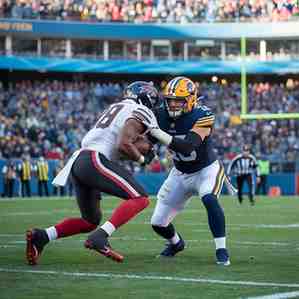
As the season progressed, a clear separation formed at the top of the league. The highest-ranked teams were not just winning games; they were controlling them. These teams showed balance, discipline, and the ability to adjust under pressure, which is why analysts consistently placed them near the top.
What made these elite teams stand out was consistency. Even during difficult stretches, they avoided major collapses. Strong quarterback leadership played a major role, but it was not the only factor. Defensive coordination, red-zone efficiency, and special teams reliability also contributed to their dominance.
Additionally, elite teams rarely depended on one star player. Instead, they relied on depth and system-based execution. When injuries occurred, replacements stepped in without significantly impacting performance. This adaptability kept them competitive week after week.
The Role of Quarterbacks in Team Rankings
In modern football, quarterback performance often defines a team’s ceiling. Teams with confident, decision-making quarterbacks naturally ranked higher because they could win close games. Accuracy, pocket awareness, and leadership separated top quarterbacks from the rest of the league.
However, it was not always about flashy statistics. Several teams climbed the rankings due to quarterbacks who protected the football and made smart situational plays. Limiting turnovers proved just as valuable as throwing deep passes.
On the other hand, teams with unstable quarterback situations struggled to maintain upward momentum. Even strong defences could not fully compensate for inconsistent offensive leadership. As a result, quarterback reliability remained one of the most influential ranking factors.
Mid-Tier Teams: Playoff Contenders with Question Marks
The middle section of the rankings featured teams that were good, but not dominant. These teams often hovered around playoff qualification, capable of beating strong opponents yet vulnerable to unexpected losses.
One common issue among mid-tier teams was inconsistency. They might deliver an impressive win one week and follow it with a disappointing performance the next. This uneven execution prevented them from entering the elite category.
Still, many of these teams possessed clear strengths. Some relied on aggressive defences, while others showcased creative offensive schemes. If they addressed weaknesses—such as red-zone inefficiency or defensive depth—they could challenge higher-ranked opponents in the postseason.
Surprise Performers That Exceeded Expectations
Every NFL season produces unexpected success stories, and 2025 was no different. Several teams entered the year with modest expectations but quickly proved critics wrong. Smart drafting, improved coaching, and young talent development fueled their rise.
These teams often benefited from strong chemistry and a clear identity. Instead of trying to imitate elite teams, they maximised their unique strengths. Consequently, analysts rewarded their growth with steady ranking improvements.
Surprise teams also gained momentum as confidence grew. Winning close games early in the season created belief, which translated into improved late-game execution. This psychological edge played a subtle but important role in their climb.
Disappointing Teams: Why Expectations Fell Short
While some teams exceeded expectations, others failed to meet them. Injuries, poor coaching decisions, and internal instability contributed to underwhelming performances. Despite strong rosters on paper, execution issues consistently held these teams back.
In several cases, defensive breakdowns proved costly. Missed tackles, blown coverages, and a lack of discipline allowed opponents to exploit weaknesses. Meanwhile, offensive struggles often stemmed from predictable play-calling or weak offensive lines.
These teams frequently slid down the rankings because problems persisted rather than improving. Without clear adjustments, even talented squads lost credibility among analysts.
Coaching Impact on Team Performance
Coaching quality emerged as a defining factor across the league. Teams with experienced, adaptable coaching staffs consistently outperformed similarly talented opponents. Strategic halftime adjustments and smart clock management often determined outcomes.
Conversely, poor coaching magnified roster weaknesses. Questionable fourth-down decisions and conservative play-calling cost teams crucial games. Over time, these mistakes significantly affected ranking positions.
Successful coaches also fostered discipline. Fewer penalties and better situational awareness gave their teams an edge. This structure allowed players to perform confidently, even in high-pressure scenarios.
Late-Season Momentum and Its Influence
As the season entered its final stretch, momentum became increasingly important. Teams peaking late gained more respect than those who started strong but faded. Analysts prioritised recent performance because it better reflected playoff readiness.
Late-season success often indicated improved chemistry and execution. Teams that corrected early mistakes rose steadily, while stagnant teams fell behind. This shift demonstrated how rankings are dynamic rather than fixed.
Momentum also influenced perception. A team on a winning streak appeared more dangerous than its record suggested, especially heading into postseason play.
Lower-Ranked Teams: Challenges and Rebuilding Paths
At the lower end of the league hierarchy, teams faced a different reality. These teams were not necessarily lacking talent, but they struggled with execution, depth, or long-term planning. As a result, they remained near the bottom of expert evaluations throughout the season.
Many of these teams dealt with persistent issues such as weak offensive lines, defensive inconsistency, or unstable quarterback situations. Even when individual players performed well, the overall structure often failed. Consequently, sustained success remained out of reach.
However, lower rankings do not always signal failure. In fact, they often highlight opportunity. Teams in this range typically hold valuable draft positions and salary cap flexibility. With smart roster decisions and patient development, rapid improvement remains possible.
Rebuilding Strategies That Actually Work
Successful rebuilds require more than high draft picks. Teams that improved their outlook focused on long-term stability rather than quick fixes. They invested in coaching continuity, player development, and culture building.
One effective strategy involved strengthening the offensive line before adding skill players. Protection up front allowed young quarterbacks to develop confidence and reduce mistakes. Additionally, teams that prioritised defensive fundamentals often improved faster than expected.
Front-office discipline also mattered. Avoiding risky contracts and focusing on value acquisitions helped struggling teams stay flexible. Over time, these calculated decisions influenced how analysts viewed their future potential in league evaluations.
How Injuries and Depth Shape League Perception
Injuries affected every team, but depth determined survival. Teams with strong backups absorbed losses without collapsing. Meanwhile, shallow rosters quickly fell apart when starters went down.
This reality heavily influenced weekly evaluations. Analysts often adjusted rankings not because a team lost, but because it lost a key contributor. Therefore, roster depth became one of the most underrated success factors.
In contrast, teams that invested in rotational players maintained consistency. Their ability to adapt under pressure earned respect, even during difficult stretches of the season.
Analytics vs. Eye Test: Finding the Right Balance
Modern evaluations rely on both data and observation. Advanced metrics such as efficiency ratings and situational success offer valuable insight. However, numbers alone cannot capture momentum, leadership, or confidence.
That is why the best assessments balance analytics with film study. Watching how teams respond to adversity often reveals more than raw statistics. For example, a narrow loss may still demonstrate growth and competitiveness.
When combined properly, data and observation create a clearer picture of true team strength. This balanced approach improves credibility and aligns closely with EEAT principles.
What Fans Often Misunderstand About Rankings
Many fans view rankings as predictions rather than evaluations. In reality, they reflect current performance, not guaranteed outcomes. A lower-ranked team can still upset a higher-ranked opponent on any given week.
Additionally, rankings are not personal judgments. They change frequently because the league evolves quickly. Understanding this fluidity helps fans appreciate the reasoning behind weekly adjustments.
By viewing rankings as conversation starters instead of final verdicts, readers gain more value from expert analysis.
Key Lessons from the 2025 Season
The 2025 season reinforced several important truths about professional football. Balance remains more valuable than star power. Teams with strong fundamentals consistently outperformed those relying on individual brilliance.
Coaching stability proved essential. Teams that trusted their systems improved steadily, while frequent changes caused setbacks. Patience, when paired with smart planning, delivered results.
Most importantly, adaptability separated contenders from pretenders. Teams willing to adjust strategies thrived, especially late in the season.
Looking Ahead: What to Expect Next Season
As teams enter the offseason, expectations will shift once again. Draft picks, coaching changes, and player movement will reshape league perception. Early projections will spark debate, but actual performance will ultimately define outcomes.
Fans should expect renewed competition, emerging stars, and strategic evolution. While preseason projections generate excitement, real clarity will only emerge once games are played.
This constant cycle is what keeps league analysis engaging year after year.
Read Also: Groome Transportation Guide: Reliable Airport Shuttle
Conclusion
Throughout the season, evaluations provided valuable insight into team strength, momentum, and future outlook. While opinions may differ, thoughtful analysis helps fans better understand the game beyond the scoreboard.
When approached with context and expertise, rankings become a powerful tool rather than a source of frustration. They highlight progress, expose weaknesses, and spark meaningful discussion.
As the league moves forward, one thing remains certain: performance, preparation, and adaptability will always define success.
FAQs
1. What are NFL power rankings?
NFL power rankings compare all teams based on current performance, consistency, injuries, and overall strength rather than standings alone.
2. How often are NFL power rankings updated?
Most analysts update rankings weekly, especially during the regular season, to reflect recent performances and momentum.
3. Do NFL power rankings affect playoff seeding?
No, playoff seeding depends on win–loss records. Power rankings are analytical tools, not official standings.
4. Why do rankings differ between analysts?
Different analysts use different criteria, including statistics, film study, and subjective judgment.
5. Are power rankings reliable indicators of team strength?
They are useful for understanding trends and form, but they do not guarantee game outcomes.