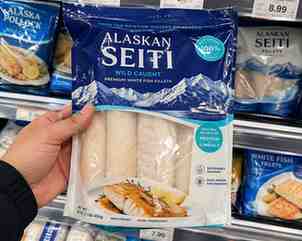
Many search terms appear online without clear explanations, and Alaskan seiti is one of them. People often notice this phrase on seafood packaging, frozen food labels, menus, or online product listings. However, when they try to research it, they often find scattered or limited details. As a result, curiosity around the term continues to grow.
In many cases, uncommon keywords become popular because they sound specific yet unfamiliar. The word “Alaskan” suggests cold waters, natural sourcing, and trusted seafood origins. Meanwhile, “Seiti” sounds foreign to many English readers, which creates even more interest. Therefore, people want to know whether it is a fish species, a trade name, or something else entirely.
What Does Alaskan Seiti Mean?
The first part of the phrase is easier to understand. “Alaskan” usually refers to something connected to Alaska, especially seafood caught or processed in that region. Since Alaska is known worldwide for managed fisheries and ocean products, the term often carries a sense of quality and freshness.
The second word, “Seiti,” is believed to come from international fish naming systems. In several markets, seafood names are translated or adjusted for local languages. Because of this, Alaskan seiti may not describe a new species at all. Instead, it may simply be another market name used for a familiar fish product.
The Connection With Alaska Pollock
One of the strongest explanations links this phrase to Alaska Pollock. Alaska Pollock is a highly valuable commercial fish found in the North Pacific. It is widely used across the world because it is affordable, versatile, and available in large quantities. Therefore, many seafood labels use names connected to pollock in regional ways.
This species is known for its mild taste, white flaky meat, and easy cooking style. It is commonly used in fish sticks, sandwiches, frozen fillets, and surimi products. Because naming changes across countries, many people believe Alaska Seiti is another commercial label for Alaska Pollock sold in international markets.
Why Fish Names Change Across Countries
Seafood names often differ from one region to another. A fish can have a scientific name, a local fishing name, and a separate retail name. In some cases, exporters also create labels that suit the language or buying habits of another country. Consequently, one fish may appear under several different names worldwide.
This practice helps brands market products more effectively. Some names are easier to pronounce, while others sound more premium or familiar to buyers. Therefore, an unfamiliar term does not always mean an unfamiliar species. It often means the same fish is being presented in a new way for a different audience.
Why “Alaskan” Has Strong Value
The word “Alaskan” has marketing strength because it suggests clean waters and natural seafood sources. Many buyers connect Alaska with wild fisheries, cold environments, and strong quality standards. As a result, the name can increase trust before someone even reads the full package.
This strategy is common in food branding. Similar examples include Norwegian salmon or Atlantic cod. In the same way, Alaskan seiti may use geographic identity to create a premium image. Therefore, the wording itself can influence buying decisions in stores and online.
What Does Alaskan Seiti Taste Like?
If Alaskan seiti refers to Alaska Pollock or a similar white fish, the flavour is usually mild and clean. It does not have the strong ocean taste that some oily fish carry. Because of this, many people who dislike intense seafoodflavourss still enjoy it. The texture is generally soft yet flaky when cooked properly.
Its neutral taste also makes it highly versatile in the kitchen. It can absorb herbs, spices, sauces, and marinades without losing its natural character. Therefore, home cooks and restaurants often choose this type of fish for a wide variety of dishes. It works well for both simple meals and bold recipes.
Why It Is Popular in Everyday Meals
Many seafood products succeed because they are practical, and this is one of those examples. White fish like pollock cooks quickly, pairs with common ingredients, and suits busy lifestyles. As a result, it is often selected for family dinners and frozen ready-to-cook meals.
In addition, it can be served in several forms. People enjoy it as fillets, fish fingers, burgers, tacos, sandwiches, and baked portions. Since the taste is balanced, it appeals to both children and adults. That broad appeal increases its popularity across many markets.
Best Ways to Cook Alaskan Seiti
One of the greatest advantages of this fish is how easy it is to prepare. It does not require advanced cooking skills, and it responds well to different techniques. Therefore, beginners can cook it successfully at home with little effort.
Popular cooking methods include baking, grilling, steaming, pan-searing, and air frying. Baking with lemon and herbs creates a light meal, while grilling adds extra flavor. Meanwhile, air frying offers a crisp finish with less oil. Because of these options, it fits many eating styles.
Simple Seasoning Ideas

A mild fish benefits from thoughtful seasoning. However, heavy spices are not always necessary. Sometimes a few fresh ingredients create the best result. Salt, black pepper, garlic, and lemon are classic choices that highlight the natural flavor.
For stronger meals, paprika, chili flakes, dill, parsley, or mustard sauces can work well. Asian-inspired flavors such as soy sauce, ginger, and sesame also pair nicely. Therefore, cooks can adjust the taste depending on the meal they want to create.
How to Buy Quality Products
When purchasing seafood, quality matters as much as price. If buying frozen products labeled alaskan seiti, first check the ingredient list and source information. A clear label usually indicates better transparency and stronger brand standards.
Next, examine packaging condition. Avoid torn boxes, excessive ice buildup, or products that appear damaged. These signs may suggest poor storage or temperature changes. In contrast, clean and sealed packaging usually indicates better handling from factory to store.
Fresh vs Frozen: Which Is Better?
Many people assume fresh fish is always superior, but that is not necessarily true. In reality, frozen seafood is often processed and frozen soon after harvest. This can preserve texture and freshness effectively when handled correctly.
Fresh products can be excellent too, especially when purchased from trusted sellers with high turnover. However, frozen options are convenient, reduce waste, and remain available year-round. Therefore, the better choice often depends on storage quality rather than whether it is fresh or frozen.
Health Benefits of White Fish Options
Lean white fish is widely respected in balanced nutrition plans. If alaskan seiti refers to pollock, it can provide quality protein without the heavier fat levels found in some meats. That makes it attractive for people seeking lighter meal options.
Protein supports muscle maintenance, recovery, and daily body functions. In addition, fish often contains minerals such as selenium and vitamin B12. These nutrients help support energy processes and overall wellness. Therefore, seafood can be a smart part of a varied diet.
A Good Choice for Weight-Conscious Diets
People watching calorie intake often look for foods that satisfy hunger while remaining lighter. White fish can help because it provides protein with moderate calories when baked or grilled. As a result, it is common in meal-prep plans and fitness diets.
However, cooking style matters greatly. Breading and deep frying can raise calorie levels quickly. On the other hand, steaming, grilling, or oven baking keeps meals lighter. Therefore, preparation method often determines whether the meal remains healthy.
Sustainability and Responsible Sourcing
Modern buyers care more about where food comes from. Alaska fisheries are frequently recognized for management systems, catch controls, and long term resource planning. Because of this, products linked to Alaskan fisheries often benefit from a reputation for responsibility.
Still, shoppers should look for trusted certifications or sourcing statements on packaging whenever possible. Labels that explain harvest origin or sustainability practices can provide added confidence. Therefore, informed buying helps both consumers and fisheries.
Who Should Try It?
This type of fish can suit many people. It is ideal for those new to seafood because the flavor is gentle and approachable. Families also appreciate it because it can be prepared in child-friendly meals such as tacos or baked strips.
Likewise, busy professionals may like it because cooking time is short. Even experienced food lovers can enjoy it by pairing it with creative sauces or side dishes. Therefore, it has broad appeal across age groups and lifestyles.
Common Myths About Alaskan Seiti
Many uncommon food terms create misunderstandings, and alaskan seiti is no exception. Some people assume it is a rare luxury species found only in remote waters. Others believe it refers to a completely different fish that is unavailable in regular stores. However, these ideas are often based on guesswork rather than evidence.
In reality, unfamiliar seafood names are common in global trade. A product may sound exclusive simply because the wording is new to the buyer. Therefore, consumers should focus on source details, species information, and packaging labels instead of assuming the name alone defines quality or rarity.
Is It a Different Fish or Just Another Name?

This is one of the most common questions buyers ask. In many cases, names like this are used for market positioning, translation purposes, or regional labeling. That means the product may be the same fish known elsewhere by a more familiar English name.
Because seafood is sold internationally, one species can appear under several titles across countries. As a result, shoppers may think they are seeing many different fish when they are actually seeing one species marketed in different ways. This is why label research matters.
Why Labels Sometimes Cause Confusion
Food packaging is designed to sell products quickly. Therefore, brands often choose names that sound premium, clean, or easy to remember. While that strategy helps marketing, it can also leave buyers uncertain about what they are purchasing.
In addition, some labels emphasize origin more than species. For example, a package may highlight the Alaskan connection in large print while the exact fish type appears in smaller text. Consequently, consumers remember the brand wording but miss the detailed product description.
How to Read Seafood Labels Smartly
A smart buyer looks beyond the front of the package. Start by checking the ingredient panel, source country, storage instructions, and product form. These details usually reveal more useful information than the headline name.
Next, look for whether the fish is raw, pre cooked, breaded, seasoned, or blended with other ingredients. This helps compare value between products. Therefore, reading labels carefully can prevent disappointment and improve buying decisions.
Market Trends Driving Interest
Search behavior often reflects consumer trends. People today want foods that are quick to prepare, protein-rich, and easy to trust. Since white fish products meet many of these needs, interest continues to rise in related keywords and labels.
At the same time, online grocery shopping has changed how people discover products. Shoppers now see hundreds of unfamiliar names while browsing digitally. Because of that, terms like alaskan seiti receive more searches than they might have in the past.
Why Mild White Fish Remains Popular
White fish continues to perform well in the market because it suits many lifestyles. It can be used in fast lunches, healthy dinners, family meals, and restaurant menus. In contrast to stronger fish flavors, mild options appeal to a wider audience.
Additionally, these fish products pair well with global cuisines. They work in Mediterranean dishes, Asian recipes, tacos, sandwiches, and classic baked meals. Therefore, demand remains steady across different regions and tastes.
Expert Tips Before Buying
If you plan to buy a product labeled alaskan seiti, choose trusted stores with reliable freezer or seafood sections. Proper storage conditions often matter more than branding language. A reputable seller usually maintains better product quality.
Also, compare price per weight rather than package price alone. Some smaller packages seem cheaper but cost more overall. Finally, choose products with clear sourcing information whenever possible. Transparency is often a sign of stronger standards.
Best Ways to Serve It at Home
Once purchased, simple cooking usually gives the best results. Bake it with herbs, grill it with lemon, or pan-sear it lightly for a quick dinner. Mild fish benefits from balanced flavors rather than overpowering sauces.
You can also use it in practical meals such as wraps, rice bowls, salads, or sandwiches. Since it cooks quickly, it works well for busy evenings. Therefore, it remains a convenient option for modern households.
Conclusion
The phrase alaskan seiti appears to be more connected to seafood labeling and market naming than to a separate mystery species. It is strongly associated with the type of white fish products many consumers already enjoy. In addition, the Alaskan identity adds trust, quality appeal, and sourcing value.
For buyers, the smartest approach is simple: read labels carefully, compare quality, and choose reliable sellers. Names may vary, but informed shopping always matters most. As food markets become more global, terms like this will continue to appear, and educated consumers will benefit the most.
FAQs
1. Is alaskan seiti healthy?
If it refers to a lean white fish like pollock, it can be a good source of protein with moderate calories. Health value depends on preparation method and portion size.
2. Is alaskan seiti expensive?
Pricing varies by region, brand, and product form. Breaded or ready-made items may cost more than plain frozen fillets.
3. Does it taste very fishy?
Usually, mild white fish has a cleaner and softer flavor than many oily seafood choices. That makes it suitable for beginners.
4. Can children eat it?
Many families choose mild fish for children because the texture is soft and the taste is gentle. Always prepare it safely and remove bones if present.
5. Is frozen seafood acceptable?
Yes, properly frozen seafood can maintain quality well when stored and handled correctly.