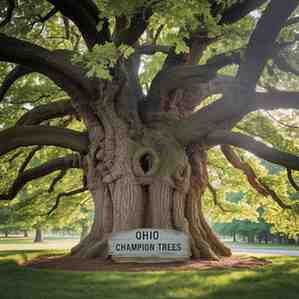
Ohio champion trees lewis center ohio champion trees: Trees are far more than simple elements of the natural landscape; in many ways, they function as living monuments that quietly preserve history over decades or even centuries. Within this broader perspective, the idea of the Ohio Champion Trees Lewis Centre becomes especially meaningful because it highlights trees that stand out as the largest, oldest, or most remarkable representatives of their species. These trees are not chosen randomly; instead, they are identified based on measurable characteristics that make them exceptional within their category.
Moreover, Ohio’s rich soil and varied climate create ideal conditions for a wide range of tree species to thrive. As a result, the state has developed a strong and diverse collection of champion trees. In areas like Lewis Centre, where suburban development continues to expand, these trees provide a striking contrast between modern growth and natural heritage. Consequently, they serve not only as ecological assets but also as symbols of continuity and resilience within the community.
The Origin and Scientific Basis of Champion Trees
The concept of champion trees is rooted in a structured and scientific approach to identifying the most outstanding trees of each species. Rather than relying on visual impressions alone, experts use a standardised measurement system that considers trunk circumference, total height, and average crown spread. This method ensures that each tree is evaluated fairly and consistently, allowing for accurate comparisons across regions.
Historically, the national framework for this system was established by American Forests, an organisation dedicated to conservation and environmental awareness. Over time, this initiative evolved through collaborations with academic and forestry institutions, which helped refine data collection and improve accuracy. As a result, many states, including Ohio, developed their own localised champion tree programs that align with these national standards while focusing on regional biodiversity.
Local Importance of Champion Trees in Lewis Centre, Ohio
Located in Lewis Centre, Ohio, Lewis Centre represents a rapidly developing suburban environment. Despite ongoing urban expansion, the area still hosts several impressive trees that qualify as potential or recognised champions. These trees act as ecological anchors, helping maintain environmental balance while offering visual and cultural value to residents.
In addition, the presence of champion trees in such areas highlights the importance of thoughtful urban planning. When communities choose to preserve large and mature trees, they demonstrate a commitment to sustainability and environmental stewardship. Therefore, Lewis Centre serves as a strong example of how development and conservation can coexist when guided by awareness and responsible decision-making.
Overview of the Ohio Champion Tree Program
Ohio’s champion tree program is a well organised initiative designed to identify, measure, and document the state’s most notable trees. The program follows strict scientific guidelines and regularly updates its records to reflect changes such as new discoveries or the loss of existing champions. Importantly, its purpose extends beyond record-keeping; it also aims to promote environmental awareness and encourage public participation.
A key role in managing and supporting these efforts is played by the Ohio Department of Natural Resources. This agency oversees forestry initiatives across the state and ensures that champion trees are both documented and protected whenever possible. Through these structured efforts, Ohio continues to preserve its natural heritage while educating communities about the value of large, mature trees.
Community Connection and Cultural Value
Champion trees are not only scientifically important but also socially meaningful. Once a tree is recognised as a champion, it often becomes a local landmark that draws attention and admiration. People visit these trees, take photographs, and share their significance with others, which gradually strengthens the connection between communities and their natural surroundings.
Furthermore, schools, environmental groups, and local organisations frequently use champion trees as educational tools. By engaging with these natural landmarks, individuals especially younger generations gain a deeper understanding of conservation and environmental responsibility. As a result, these trees help foster a sense of pride and collective ownership within the community.
Why Champion Trees Matter in Today’s World
In an era defined by rapid urbanisation and environmental challenges, the importance of preserving large and historic trees has become more critical than ever. Champion trees serve as indicators of ecosystem health, offering insight into the stability and sustainability of their surroundings. When such trees continue to thrive, it often reflects a well-balanced environment.
Additionally, these trees provide essential ecological benefits, including carbon storage, air purification, temperature regulation, and habitat for wildlife. Therefore, the concept of Ohio Champion Trees Lewis Centre Ohio Champion Trees extends beyond recognition; it represents a broader commitment to environmental preservation. Ultimately, these trees remind us that protecting nature is not only a responsibility but also an investment in the future.
How Champion Trees Are Measured and Ranked
To truly understand the value of Ohio Champion Trees, Lewis Centre, Ohio Champion Trees, it is essential to explore the scientific process behind their selection. Champion trees are not chosen based on appearance alone; instead, they are evaluated through a standardised scoring system that ensures fairness and accuracy. This method combines three key measurements: trunk circumference, total height, and average crown spread.
First, the trunk circumference is measured at a standard height above ground level, which helps maintain consistency across all entries. Next, the total height of the tree is calculated using professional tools such as laser rangefinders or clinometers. Finally, the crown spread, representing the average width of the tree’s canopy,p,y is measured to reflect how far the branches extend. These values are then combined into a single score, allowing experts to compare trees within the same species effectively.
Furthermore, this structured formula ensures that no single factor dominates the evaluation. For instance, a tree with a massive trunk but limited height may still compete with a taller tree that has a narrower spread. As a result, the ranking process remains balanced and scientifically credible, which strengthens the integrity of champion tree programs across Ohio and beyond.
Verification and Documentation Process
Once a tree is nominated, the verification process begins to confirm its eligibility as a champion. This step is critical because accurate data ensures the credibility of the entire program. Typically, trained foresters, arborists, or certified volunteers are responsible for conducting these measurements and submitting official documentation.
In many cases, organisations collaborate with national frameworks such as American Forests to maintain consistency in data collection. This partnership helps standardise procedures across different states, including Ohio. Moreover, photographic evidence and location details are often required to support each nomination, which further enhances transparency.
Additionally, trees are periodically re measured to account for growth or environmental changes. If a tree is damaged, dies, or is surpassed by another specimen, the rankings are updated accordingly. Therefore, the champion tree registry is not static; instead, it evolves over time, reflecting the dynamic nature of ecosystems.
Insights from Recent Champion Tree Data
Recent data from champion tree registers reveals several interesting trends that highlight the diversity and resilience of large trees. Across the United States, hundreds of species are represented, each with its own champion that showcases unique characteristics. Some trees stand out due to their extraordinary height, while others are recognised for their massive trunk girth or expansive canopy.
In Ohio, the variety of champion trees reflects the state’s ecological richness. From towering hardwoods to wide-spreading shade trees, each entry contributes to a broader understanding of regional biodiversity. Moreover, new champions are regularly discovered, which indicates that many remarkable trees remain undocumented.
This reality underscores the importance of continuous monitoring and conservation efforts. Consequently, the champion tree program serves both as a record of achievement and a reminder of nature’s vulnerability.
Ohio Champion Trees: Diversity and Regional Strength
Ohio’s champion trees represent a wide spectrum of species, each adapted to the state’s specific climate and soil conditions. This diversity is one of the key strengths of the program, as it highlights the ecological balance maintained across different regions. Whether located in forests, parks, or urban neighbourhoods, these trees demonstrate the ability of nature to thrive in varied environments.
The role of the Ohio Department of Natural Resources is particularly important in maintaining this diversity. Through careful documentation and conservation initiatives, the agency ensures that champion trees are recognised and protected whenever possible. In addition, public involvement is encouraged, allowing residents to nominate trees they believe may qualify as champions.
As a result, the program continues to grow, both in terms of data and community engagement. This ongoing expansion not only strengthens environmental awareness but also supports long-term sustainability efforts across the state.
Lewis Centre as a Local Case Study
Focusing on Lewis Centre, Ohio, provides a closer look at how champion trees exist within a suburban setting. Although the area is known for its rapid development, it still contains mature trees that reflect its natural history. These trees often stand in residential areas, parks, or preserved green spaces, offering both environmental and aesthetic benefits.
In such locations, champion trees play a dual role. On one hand, they enhance the visual appeal of the landscape, creating shaded areas and improving air quality. On the other hand, they act as living records of the region’s ecological past, reminding residents of the environment that existed before urban expansion.
Furthermore, the presence of these trees encourages local conservation efforts. Communities become more aware of the need to protect large and mature trees, especially when they understand their significance. Therefore, Lewis Centre serves as an example of how champion trees can remain relevant even in rapidly changing environments.
Urban Forestry and Champion Trees
Urban forestry plays a crucial role in supporting and preserving champion trees, particularly in developed areas. This field focuses on managing trees within cities and suburbs to maximise their environmental and social benefits. In Ohio, urban forestry initiatives often align with champion tree programs, creating a unified approach to tree conservation.
For example, city planners and environmental experts work together to ensure that large trees are protected during construction projects. Additionally, maintenance practices such as pruning, soil management, and pest control help extend the lifespan of these trees. As a result, champion trees in urban areas can continue to thrive despite external pressures.
Moreover, urban forestry highlights the practical benefits of preserving large trees. These include reducing heat islands, improving air quality, and enhancing property values. Consequently, champion trees are not just symbolic assets; they are also functional components of sustainable urban development.
What These Insights Mean for the Future
The combination of scientific measurement, detailed data analysis, and local case studies provides a comprehensive understanding of champion trees in Ohio. These insights demonstrate that the program is not only about identifying large trees but also about promoting environmental awareness and responsibility.
As more people become involved in tree nomination and conservation efforts, the program is likely to expand further. In addition, advancements in technology, such as digital mapping and data tracking, will improve the accuracy and accessibility of information. Therefore, the future of the Ohio Champion Trees Lewis Centre appears both dynamic and promising.
Ecological Importance of Champion Trees
Champion trees hold far greater value than their impressive size might suggest. In reality, they function as critical components of their ecosystems, supporting both environmental stability and biodiversity. In the context of ohio champion trees lewis center ohio champion trees, these trees play an essential role in maintaining ecological balance across both urban and natural landscapes.
To begin with, large trees are highly effective at carbon storage. Because of their size and age, they absorb and retain significantly more carbon dioxide compared to younger trees. As a result, they contribute directly to climate change mitigation. In addition, their expansive canopies provide shade, which helps regulate local temperatures and reduces the urban heat island effect, especially in suburban areas like LewiCentreer, Ohio.
Furthermore, champion trees serve as habitats for a wide range of wildlife. Birds, insects, and small mammals rely on these trees for shelter, nesting, and food sources. Consequently, the presence of a single mature tree can support an entire micro ecosystem. This interconnectedness highlights why preserving such trees is not just beneficial but necessary for long-term environmental health.
Social and Educational Impact
Beyond their ecological contributions, champion trees also offer significant social and educational value. They act as natural classrooms where individuals can learn about biology, conservation, and environmental science. Schools and local organisations often organise visits and awareness programs centred around thesee trees, making learning both interactive and meaningful.
Moreover, these trees create a sense of identity within communities. Once recognised, they often become landmarks that residents take pride in. Families visit them, photographers document them, and environmental enthusiasts share their stories. Over time, this engagement fosters a deeper emotional connection between people and nature.
In addition, such involvement encourages responsible behaviour. When individuals understand the importance of preserving large trees, they are more likely to support conservation initiatives. Therefore, champion trees indirectly contribute to building environmentally conscious communities.
Conclusion
Ohio champion trees lewis center ohio champion trees Guide, the concept of ohio champion trees lewis center ohio champion trees represents far more than a collection of large trees. It reflects a broader commitment to preserving nature, understanding ecological systems, and fostering community engagement. These trees stand as silent witnesses to history, growth, and environmental change.
At the same time, their continued survival depends on conscious efforts from both institutions and individuals. While challenges such as urbanisation and climate change cannot be ignored, they can be addressed through informed action and collaboration. Therefore, protecting champion trees is not just about honouring the past; it is about securing a sustainable future.
Ultimately, every champion tree tells a story of resilience and endurance. By preserving them, we ensure that these stories continue to inspire generations to come.
FAQs
1. What are Ohio champion trees?
They are the largest and most significant trees of each species measured using a standard scientific formula.
2. How are champion trees measured?
They are evaluated based on trunk circumference, height, and crown spread combined into a single score.
3. Can I nominate a tree in Ohio?
Yes, individuals can measure and submit trees for official recognition through state programs.
4. Why are champion trees important?
They support biodiversity, store carbon, and act as environmental indicators.
5. Are there champion trees in Lewis Centree, Ohio?
Yes, the area has mature trees that reflect its natural heritage and may qualify as champions.