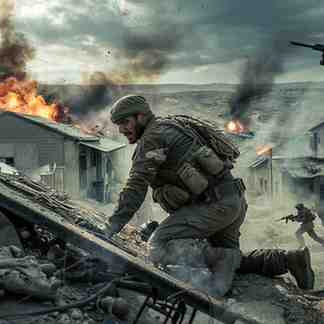
The conversation around the Mile 22 sequel continues to gain attention, even years after the release of Mile 22. While the film initially received mixed reviews, it managed to leave a lasting impression on action-thriller fans. This is largely due to its intense pacing, unconventional storytelling, and a bold ending that challenged audience expectations.
Moreover, the film starred Mark Wahlberg in a role that pushed beyond traditional action hero stereotypes. Instead of portraying a flawless protagonist, the movie introduced a morally complex character operating within a high-stakes intelligence environment. As a result, viewers were left intrigued rather than satisfied, which is precisely why discussions about a sequel remain relevant today.
In addition, the modern entertainment landscape has evolved significantly, with streaming platforms and global audiences reshaping how franchises grow. Therefore, even films that start with moderate reception often find renewed life through continued interest and delayed sequels. Consequently, Mile 22 sits in a unique position where a sequel could potentially outperform the original if handled correctly.
Revisiting the Story: What Made Mile 22 Stand Out
At its core, Mile 22 follows an elite CIA unit known as Overwatch, tasked with escorting a high-value informant across a dangerous route to safety. However, unlike typical mission-based action films, the narrative is layered with psychological tension and moral ambiguity. This approach, although divisive, created a distinct identity for the film.
Furthermore, the story unfolds in real-time intensity, compressing high-stakes action into a limited geographic span. The “22 miles” concept itself becomes symbolic, representing not just physical distance but also escalating risk and internal conflict. As the team moves closer to extraction, the stakes increase dramatically, keeping viewers constantly on edge.
In contrast to traditional linear storytelling, the film introduces fragmented narrative elements, including flash-forwards and abrupt transitions. While some audiences found this confusing, others appreciated its attempt to break away from formulaic action structures. Consequently, the film sparked debate rather than fading into obscurity.
The Ending Twist: A Strategic Setup for the Sequel
One of the most talked-about aspects of Mile 22 is its shocking conclusion. Just when the mission appears successful, the narrative flips dramatically, revealing that the supposed ally was operating with hidden motives all along. This twist not only redefines earlier events but also reframes the protagonist’s journey.
As a result, the ending does not offer closure; instead, it opens the door to a much larger story. The betrayal adds a personal layer to the conflict, turning a standard mission into an intense clash driven by emotion and calculated strategy. Therefore, the groundwork for the Mile 22 sequel was clearly established within the original film itself.
Additionally, unresolved tensions between characters suggest that the story was never meant to be confined to a single instalment. The narrative leaves behind unanswered questions, particularly regarding trust, intelligence networks, and global espionage dynamics. These elements naturally lend themselves to continuation.
Director’s Vision: From Standalone Film to Planned Franchise
Interestingly, the creators behind Mile 22 did not initially envision it as a one-off project. Director Peter Berg and the production team hinted at a broader storyline that could extend into multiple films. This long-term vision reflects a strategic attempt to build a franchise within the competitive action genre.
However, despite these ambitions, the film’s reception influenced the pace of development. While it performed reasonably at the box office, critical feedback highlighted areas for improvement. Consequently, plans for the sequel were not immediately executed, leading to delays and uncertainty.
Nevertheless, it is important to note that many successful franchises have emerged from similar beginnings. In fact, several popular action series improved significantly in their second instalments. Therefore, the initial response to Mile 22 does not necessarily limit the potential of its sequel.
Why Audience Interest Has Not Faded
Even after years of silence regarding official updates, interest in the Mile 22 sequel persists. This sustained curiosity can be attributed to several factors. Firstly, the unresolved ending continues to spark speculation among viewers. Secondly, the film’s unique tone differentiates it from generic action movies.
Moreover, audiences today are more inclined toward complex storytelling that blends action with psychological depth. As a result, Mile 22 has gradually gained appreciation among viewers who value layered narratives. This shift in audience preference further strengthens the case for a sequel.
In addition, social media and online forums have played a significant role in keeping the conversation alive. Fans frequently discuss theories, potential plotlines, and casting possibilities. Consequently, the film has developed a form of cult following, which can be highly valuable for future instalments.
The Changing Landscape of Action Films
The demand for a Mile22 sequel also reflects broader trends within the action genre. Over the past decade, audiences have moved away from purely spectacle-driven films toward stories that offer depth and realism. This evolution creates an opportunity for franchises like Mile 22 to reposition themselves.
Furthermore, advancements in filmmaking technology and storytelling techniques allow creators to address past shortcomings. For instance, issues related to pacing or editing can be refined in a sequel, resulting in a more polished final product. Therefore, the sequel has the potential to redefine the franchise’s identity.
At the same time, competition within the genre has intensified, with numerous high-budget productions dominating the market. Consequently, any sequel must not only meet expectations but also differentiate itself effectively. This challenge, while significant, also presents an opportunity for creative innovation.
Setting the Stage for What Comes Next
As we analyse the journey of Mile 22, it becomes clear that the foundation for a sequel is both strong and strategically positioned. The combination of an open-ended narrative, evolving audience preferences, and ongoing fan interest creates a compelling case for continuation.
However, the real question is not whether a sequel is possible, but rather how it can be executed successfully. The next instalment must build upon the strengths of the original while addressing its weaknesses. Only then can it transform curiosity into lasting impact.
Current Status: Is the Mile 22 Sequel Really Happening?
The development of the Mile 22 sequel has remained a topic of speculation rather than confirmation. Although the creators initially expressed interest in continuing the story, official progress has been slow and, at times, unclear. This uncertainty has led many fans to question whether the sequel is still in active development or quietly shelved.
However, industry patterns suggest that such delays are not unusual. In fact, many action films experience extended gaps between instalments due to script revisions, scheduling conflicts, or changing market conditions. Therefore, the absence of a release date does not necessarily indicate cancellation. Instead, it often reflects a strategic pause aimed at refining the project.
Additionally, reports from entertainment discussions indicate that the idea of expanding the story has not been completely abandoned. While there is no finalised production timeline, the concept continues to circulate within industry conversations. As a result, the possibility of a sequel remains open, albeit uncertain.
Behind the Scenes: Challenges Slowing Down Development
Several factors have contributed to the delay in moving forward with the Mile 22 sequel. Firstly, the original film received mixed critical feedback, particularly regarding its editing style and narrative structure. Consequently, the creators may be taking extra time to reassess the direction of the sequel.
Moreover, the global film industry has undergone significant disruptions in recent years. Production delays, shifting audience preferences, and the rise of streaming platforms have all influenced how studios approach sequels. Therefore, projects that once seemed straightforward now require more careful planning.
Another important factor is competition within the action genre. With numerous high-profile releases dominating the market, studios must ensure that any sequel stands out. This means investing in stronger storytelling, improved pacing, and a more cohesive cinematic experience. As a result, development timelines naturally extend.
Expected Cast: Who Might Return?
One of the most anticipated aspects of Mile 22’s sequel is the potential return of Mark Wahlberg as James Silva. His performance in Mile 22 was central to the film’s identity, portraying a highly skilled yet emotionally volatile operative. Without his character, the continuity of the story would feel incomplete.
In addition, there is strong speculation that other key characters could return, depending on how the sequel handles the timeline and narrative structure. However, given the events of the first film, not all original cast members may reappear. This opens the door for new characters to be introduced.
Furthermore, introducing fresh faces could enhance the sequel’s appeal. New operatives, antagonists, or intelligence figures would allow the story to expand beyond its initial scope. Consequently, the sequel has the opportunity to build a more dynamic and diverse cast.
Expanding the Universe: New Characters and Global Stakes
A successful sequel often depends on its ability to expand the original universe. In the case of the Mile 22 sequel, this could involve exploring international intelligence networks in greater depth. Instead of focusing solely on a single mission, the story could broaden to include multiple locations and interconnected operations.
Moreover, introducing a powerful antagonist would be crucial. The first film’s twist already established a strong foundation for conflict, but the sequel could elevate this by presenting a more complex and strategic villain. As a result, the narrative would gain both tension and depth.
Additionally, the inclusion of global stakes would align with current audience expectations. Modern action films often emphasise large-scale consequences, such as geopolitical instability or cyber warfare. Therefore, expanding the scope of the story would make the sequel more relevant and engaging.
Possible Plot Directions: Where the Story Could Go
There are several compelling directions the Mile 22 sequel could take. One of the most obvious paths involves continuing the conflict introduced in the first film’s ending. The betrayal revealed in the final moments creates a personal vendetta that could drive the entire sequel.
Another possibility is shifting the narrative focus toward intelligence warfare rather than direct combat. While the original film emphasised action, the sequel could balance this with strategic elements, such as espionage tactics and psychological manipulation. Consequently, the story would feel more layered and mature.
Furthermore, the sequel could explore the internal dynamics of the Overwatch team. By diving deeper into character motivations and relationships, the film could address one of the main criticisms of the original: limited character development. This approach would not only enhance emotional engagement but also strengthen the overall narrative.
Balancing Action and Storytelling
One of the key challenges for the Mileee 22 sequel will be achieving the right balance between action and storytelling. The original film delivered intense action sequences; however, it was often criticised for prioritising style over clarity. Therefore, the sequel must refine this balance.
For instance, action scenes should remain impactful but more coherent. Clear choreography and smoother editing can significantly improve the viewing experience. At the same time, the story should provide enough context to make each action sequence meaningful.
Additionally, integrating emotional stakes into the narrative can elevate the film beyond typical action fare. When audiences connect with the characters, the tension becomes more compelling. As a result, the sequel would not only entertain but also resonate on a deeper level.
Industry Trends Shaping the Sequel
The direction of the Mile 22 sequel will likely be influenced by broader industry trends. Currently, audiencefavourrr films that combine high-quality action with strong storytelling. This shift has encouraged studios to invest in more sophisticated narratives.
Moreover, the rise of streaming platforms has changed how films are distributed and consumed. If the sequel does not receive a traditional theatrical release, it could find success through digital platforms. This alternative approach may even allow for greater creative freedom.
In addition, franchises are increasingly focusing on long-term storytelling rather than standalone entries. This means that the sequel could serve as a bridge to a larger series, potentially fulfilling the original vision of a multi-film storyline.
What Fans Are Expecting Now
Fan expectations for the Milee 22 sequel have evolved over time. Initially, audiences simply wanted answers to the unresolved ending. However, expectations have grown to include better storytelling, improved pacing, and a more cohesive cinematic experience.
At the same time, fans still value the elements that made the original film unique. The intense atmosphere, morally complex characters, and unpredictable narrative are all aspects that should be preserved. Therefore, the sequel must strike a careful balance between innovation and familiarity.
Transitioning Toward the Bigger Picture
As development continues to unfold, the Mile 22 sequel remains a project filled with both challenges and opportunities. While delays have created uncertainty, they have also allowed time for reflection and improvement. Consequently, the sequel has the potential to surpass its predecessor if executed thoughtfully.
The next step is to evaluate whether the franchise can truly evolve into something larger. Can it compete with established action series? Or will it remain a standalone story with unrealised potential?
Current Status: Is the Mile 22 Sequel Really Happening?
The development of the Mile 22 sequel has remained a topic of speculation rather than confirmation. Although the creators initially expressed interest in continuing the story, official progress has been slow and, at times, unclear. This uncertainty has led many fans to question whether the sequel is still in active development or quietly shelved.
However, industry patterns suggest that such delays are not unusual. In fact, many action films experience extended gaps between installments due to script revisions, scheduling conflicts, and market conditions. Therefore, the absence of a release date does not necessarily indicate cancellation. Instead, it often reflects a strategic pause aimed at refining the project.
Additionally, reports from entertainment discussions indicate that the idea of expanding the story has not been completely abandoned. While there is no finalized production timeline, the concept continues to circulate within the industry convfinalised. As a result, the possibility of a sequel remains open, albeit uncertain.
Behind the Scenes: Challenges Slowing Down Development
Several factors have contributed to the delay in moving forward with the mile 22 sequel. Firstly, the original film received Mixedd critical feedback, particularly regarding its editing style and narrative structure. Consequently, the creators may be taking extra time to reassess the direction of the sequel.
Moreover, the global film industry has undergone significant disruptions in recent years. Production delays, shifting audience preferences, and the rise of streaming platforms have all influenced how studios approach sequels. Therefore, projects that once seemed straightforward now require more careful planning.
Another important factor is competition within the action genre. With numerous high-profile releases dominating the market, studios must ensure that any sequel stands out. This means investing in stronger storytelling, improved pacing, and a more cohesive cinematic experience. As a result, development timelines naturally extend.
Expected Cast: Who Might Return?
One of the most anticipated aspects o fMilee 22’s sequel is the potential return of Mark Wahlberg as James Silva. His performance in Mile 22 was central to the film’s identity, portraying a highly skilled yet emotionally volatile operative. Without his character, the continuity of the story would feel incomplete.
In addition, there is strong speculation that other key characters could return, depending on how the sequel handles the timeline and narrative structure. However, given the events of the first film, not all original cast members may reappear. This opens the door for new characters to be introduced.
Furthermore, introducing fresh faces could enhance the sequel’s appeal. New operatives, antagonists, or intelligence figures would allow the story to expand beyond its initial scope. Consequently, the sequel has the opportunity to build a more dynamic and diverse cast.
Expanding the Universe: New Characters and Global Stakes
A successful sequel often depends on its ability to expand the original universe. In the case of the Mile22 sequel, this could involve exploring international intelligence networks in greater depth. Instead of focusing solely on a single mission, the story could broaden to include multiple locations and interconnected operations.
Moreover, introducing a powerful antagonist would be crucial. The first film’s twist already established a strong foundation for conflict, but the sequel could elevate this by presenting a more complex and strategic villain. As a result, the narrative would gain both tension and depth.
Additionally, the inclusion of global stakes would align with current audience expectations. Modern action films often emphasize large-scale consequences, such as geopolitical instability or cyber warfare. Therefore, expanding the scope of the story would make the sequel more relevant and engaging.
Possible Plot Directions: Where the Story Could Go
There are several compelling directions the mile 22 sequel could take. One of the most obvious paths involves continuing the conflict introduced in the first film’s ending. The betrayal revealed in the final moments creates a personal vendetta that could drive the entire sequel.
Another possibility is shifting the narrative focus toward intelligence warfare rather than direct combat. While the original film emphasized action, the sequel could balance this with strategic elements, such as espionage tactics and psychological manipulation. Consequently, the story would feel more layered and mature.
Furthermore, the sequel could explore the internal dynamics of the Overwatch team. By diving deeper into character motivations and relationships, the film could address one of the main criticisms of the original limited character development. This approach would not only enhance emotional engagement but also strengthen the overall narrative.
Balancing Action and Storytelling
One of the key challenges for the mile 22 sequel will be achieving the right balance between action and storytelling. The original film delivered intense action sequences; however, it was often criticized for prioritizing style over clarity. Therefore, the sequel must refine this balance.
For instance, action scenes should remain impactful but more coherent. Clear choreography and smoother editing can significantly improve the viewing experience. At the same time, the story should provide enough context to make each action sequence meaningful.
Additionally, integrating emotional stakes into the narrative can elevate the film beyond typical action fare. When audiences connect with the characters, the tension becomes more compelling. As a result, the sequel would not only entertain but also resonate on a deeper level.
Industry Trends Shaping the Sequel
The direction of the mile 22 sequel will likely be influenced by broader industry trends. Currently, audiences favor films that combine high-quality action with strong storytelling. This shift has encouraged studios to invest in more sophisticated narratives.
Moreover, the rise of streaming platforms has changed how films are distributed and consumed. If the sequel does not receive a traditional theatrical release, it could find success through digital platforms. This alternative approach may even allow for greater creative freedom.
In addition, franchises are increasingly focusing on long-term storytelling rather than standalone entries. This means that the sequel could serve as a bridge to a larger series, potentially fulfilling the original vision of a multi-film storyline.
What Fans Are Expecting Now
Fan expectations for the mile 22 sequel have evolved over time. Initially, audiences simply wanted answers to the unresolved ending. However, expectations have grown to include better storytelling, improved pacing, and a more cohesive cinematic experience.
At the same time, fans still value the elements that made the original film unique. The intense atmosphere, morally complex characters, and unpredictable narrative are all aspects that should be preserved. Therefore, the sequel must strike a careful balance between innovation and familiarity.
Transitioning Toward the Bigger Picture
As development continues to unfold, the mile 22 sequel remains a project filled with both challenges and opportunities. While delays have created uncertainty, they have also allowed time for reflection and improvement. Consequently, the sequel has the potential to surpass its predecessor if executed thoughtfully.
The next step is to evaluate whether the franchise can truly evolve into something larger. Can it compete with established action series? Or will it remain a standalone story with unrealized potential?
Conclusion
The mile 22 sequel represents both a challenge and an opportunity. On one hand, it must overcome the limitations of the original film. On the other, it has the potential to redefine the franchise and establish a stronger identity.
Given the existing foundation, the sequel is certainly worth anticipating. The unresolved storyline, combined with evolving audience preferences, creates a favorable environment for its return. However, success will depend on thoughtful execution and a willingness to learn from past mistakes.
If handled correctly, the sequel could transform Mile 22 from a divisive film into a respected action series. Therefore, while uncertainty remains, the potential for success is undeniable.
FAQs
Is the mile 22 sequel officially confirmed?
As of now, there is no confirmed release date, but discussions and early plans have been mentioned in the past.
Will Mark Wahlberg return in the sequel?
Although not officially confirmed, his return is highly expected due to his central role in the story.
Why was the sequel delayed?
Delays are likely due to mixed reviews of the first film, industry changes, and the need for a stronger script.
What could be the storyline of the sequel?
The sequel may continue the conflict introduced in the original ending, focusing on revenge, espionage, and global intelligence operations.