
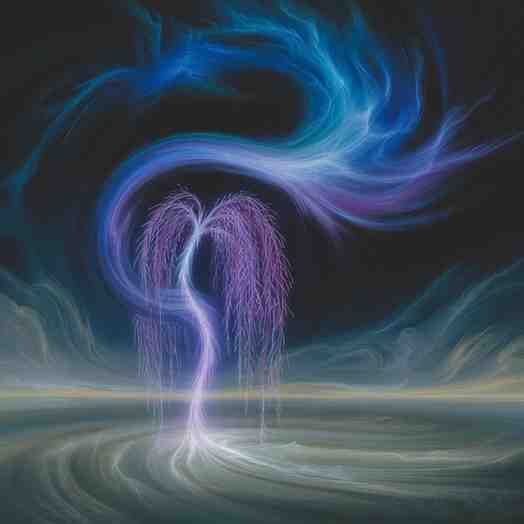
In the rapidly evolving digital landscape, new expressions appear frequently; however, only a handful manage to leave a lasting emotional impression. One such emerging term is tsunaihaiya, which immediately sparks curiosity due to its unfamiliar yet intriguing nature. Although it may seem like just another internet word at first, it carries a depth that goes far beyond surface level understanding.
At the same time, what truly sets this term apart is the way people respond to it. Instead of asking for a direct definition, many individuals feel a connection to it almost instantly. This reaction suggests that tsunaihaiya is not just about language; rather, it reflects a deeper emotional or cultural resonance that people are actively seeking in modern communication.
What Is Tsunaihaiya? A Flexible and Evolving Concept
Unlike traditional vocabulary, tsunaihaiya does not fit neatly into a single definition. Instead, it operates as a fluid concept that changes depending on context and interpretation. In some cases, it is seen as an emotional expression, while in others, it represents creativity, identity, or even abstract thought.
Furthermore, this flexibility allows the term to remain relevant across different communities and platforms. Because it is not limited by strict meaning, individuals can adapt it to suit their personal experiences. As a result, tsunaihaiya becomes less about what it officially means and more about what it represents to each person who uses it.
Why Tsunaihaiya Is Gaining Popularity
One of the main reasons behind the growing popularity of tsunaihaiya is its mysterious nature. People are naturally drawn to words they cannot immediately define, as curiosity encourages exploration and engagement. Consequently, the term continues to gain traction across various online spaces.
In addition, its emotional versatility makes it highly relatable. Many individuals struggle to express complex feelings using conventional language; therefore, a word that embraces ambiguity becomes incredibly useful. This is why tsunaihaiya is often used in creative contexts, where meaning is meant to be felt rather than strictly explained.
The Emotional Dimension of Tsunaihaiya
A key aspect of tsunaihaiya lies in its ability to capture emotions that are difficult to articulate. Instead of limiting expression, it creates space for interpretation, allowing individuals to project their own feelings onto it. This quality makes it especially powerful in moments of reflection or creativity.
Moreover, the emotional openness associated with the term aligns with modern psychological needs. As life becomes increasingly complex, people look for ways to process and express layered emotions. In this context, tsunaihaiya serves as a symbolic tool that supports deeper emotional understanding.
Tsunaihaiya in the Context of Digital Culture
Within digital culture, language evolves rapidly, often breaking away from traditional structures. Tsunaihaiya fits seamlessly into this environment because it thrives on creativity and interpretation. Users frequently incorporate it into captions, art, and storytelling to convey mood without over-explaining.
At the same time, online communities play a significant role in shaping its meaning. As more people adopt the term, its interpretations expand, creating a shared yet flexible understanding. Consequently, tsunaihaiya continues to evolve as a living concept within digital communication.
A Word That Bridges Multiple Interpretations

Another defining feature of tsunaihaiya is its ability to exist across multiple interpretations simultaneously. While some individuals view it as an emotional expression, others connect it to ideas of connection, creativity, or even broader cultural symbolism. This diversity adds depth rather than confusion.
Additionally, the presence of different perspectives highlights how modern language is shaped collectively. Instead of relying on a single authoritative definition, meanings emerge through shared usage and experience. Therefore, tsunaihaiya becomes a reflection of how people communicate and connect in today’s world.
Cultural and Philosophical Interpretations of Tsunaihaiya
As we move beyond the surface-level understanding, tsunaihaiya begins to reveal deeper cultural and philosophical dimensions. While it may appear as a modern digital expression, many interpretations connect it to timeless human themes such as connection, balance, and emotional depth. In this sense, the word feels both new and ancient at the same time.
Moreover, some perspectives suggest that tsunaihaiya represents a sense of unity between individuals and their surroundings. It can symbolise relationships that go beyond words, where understanding exists without direct communication. Therefore, rather than being just a trend, it reflects a universal human desire to feel connected and understood.
At the same time, this idea aligns with philosophical traditions that value inner harmony. Concepts like mindfulness and self awareness resonate strongly with the essence of tsunaihaiya. Because of this, the term is often associated with moments of stillness, reflection, and emotional clarity.
The Spiritual Angle: A Word Linked to Inner Experience
In addition to its cultural interpretations, tsunaihaiya is sometimes viewed through a spiritual lens. Although it is not tied to a specific religion, it carries a sense of introspection that many people associate with personal growth. This makes it particularly meaningful in contexts where individuals are exploring their inner world.
For instance, during meditation or quiet contemplation, people often experience emotions that cannot easily be described. In such moments, a word like tsunaihaiya can act as a bridge between feeling and expression. Instead of forcing clarity, it allows ambiguity to exist naturally.
Furthermore, the spiritual dimension of the term highlights the importance of emotional acceptance. Rather than labelling every feeling, it encourages individuals to simply experience them. As a result, tsunaihaiya becomes less about explanation and more about awareness.
The Real Origin: Tsunaihaiya as a Jewellery Brand
While many interpretations focus on emotion and philosophy, it is equally important to understand the term’s real-world origin. Interestingly, tsunaihaiya is also the name of a well known jewellery brand. This aspect adds a layer of authenticity and historical context to the discussion.
The brand is recognised for its handcrafted pieces that blend traditional craftsmanship with modern aesthetics. Each design often carries symbolic meaning, which aligns closely with the emotional depth associated with the word itself. Therefore, the connection between the name and its artistic expression feels intentional rather than accidental.
Additionally, the origin of the name is often linked to themes such as “rising sun” or renewal. These ideas reinforce the concept of new beginnings and personal growth. Because of this, the brand’s identity complements the broader interpretations of tsunaihaiya as a symbol of transformation and meaning.
How Multiple Meanings Created Confusion
Given its diverse interpretations, it is not surprising that tsunaihaiya has caused confusion among readers. On one hand, some sources describe it as a purely emotional or digital term. On the other hand, others highlight its connection to a tangible brand or cultural idea. This overlap can make it difficult to pinpoint a single definition.
However, this confusion also reflects how information spreads in the digital age. Content is often created quickly, and meanings evolve as they are shared across different platforms. As a result, a single term can develop multiple identities over time.
Moreover, people tend to interpret words based on their own experiences. When a term like tsunaihaiya lacks a fixed definition, it becomes a blank canvas. Consequently, each interpretation adds to its complexity rather than replacing previous meanings.
Tsunaihaiya in Modern Digital Culture
As digital culture continues to shape communication, tsunaihaiya has found a strong presence in creative spaces. Social media platforms, in particular, have played a significant role in popularising the term. Users often include it in captions, artwork, or poetic expressions to convey a specific mood.
At the same time, the word’s abstract nature makes it highly adaptable. It can represent different emotions depending on the context, which allows it to fit into various creative formats. This flexibility is one of the main reasons why it continues to gain attention online.
Furthermore, communities contribute to its evolving meaning by using it in unique ways. Each new usage adds another layer to its identity. Therefore, tsunaihaiya is not just a word it is an ongoing conversation shaped by collective creativity.
Identity, Creativity, and Personal Expression
Another important aspect of tsunaihaiya is its role in personal identity. In a world where individuality is highly valued, people are constantly searching for ways to express themselves. Abstract terms like this provide an opportunity to communicate something deeper than surface-level thoughts.
For example, artists and writers often use such words to capture complex emotions in a single expression. Instead of explaining every detail, they rely on the audience’s interpretation. This approach creates a more interactive and meaningful experience.
In addition, the use of tsunaihaiya can signal a certain creative mindset. It suggests openness to ambiguity and a willingness to explore ideas beyond conventional boundaries. As a result, it becomes a subtle yet powerful tool for self-expression.
How Tsunaihaiya Reflects the Evolution of Language
Language has never been static; instead, it continuously evolves based on human interaction, culture, and technology. In this context, tsunaihaiya represents a modern example of how new expressions are formed outside traditional linguistic systems. Rather than being created by academic rules, it grows through usage, interpretation, and shared digital behaviour.
Moreover, the internet has accelerated this evolution significantly. Words no longer need formal recognition to gain meaning; instead, they gain relevance through repetition and emotional connection. As a result, tsunaihaiya demonstrates how meaning can emerge organically from collective human expression rather than structured definition.
At the same time, this shift highlights a broader transformation in communication. People are increasingly valuing emotional resonance over grammatical precision. Therefore, abstract terms like tsunaihaiya thrive because they allow flexibility, creativity, and personal interpretation.
Psychological Perspective: Why People Connect With Tsunaihaiya
From a psychological standpoint, humans are naturally drawn to concepts that feel meaningful yet undefined. This is because the brain enjoys filling gaps with personal interpretation. Consequently, when individuals encounter a term like tsunaihaiya, they instinctively assign their own emotional context to it.
In addition, modern life is filled with complexity, uncertainty, and emotional overload. Traditional vocabulary often fails to capture these layered experiences. Therefore, people gravitate toward words that feel open-ended, as they provide emotional relief without forcing rigid explanation.
Furthermore, tsunaihaiya acts as a psychological mirror. It reflects the user’s internal state rather than imposing a fixed meaning. Because of this, it can represent sadness, peace, nostalgia, creativity, or even silence,c,e depending on the individual’s mindset at a given moment.
The Role of Tsunaihaiya in Creativity and Expression
Creative communities often rely on abstract language to express ideas that cannot be easily verbalised. In this sense, tsunaihaiya becomes a creative tool rather than just a word. It allows writers, artists, and designers to communicate mood and emotion without over-explaining.
Moreover, its ambiguity encourages interpretation, which is essential in artistic expression. When meaning is not fixed, audiences become active participants in understanding the message. As a result, communication becomes more interactive and personal.
In addition, this type of expression aligns with modern digital aesthetics, where minimalism and emotional depth are highly valued. Therefore, tsunaihaiya fits naturally into poetry, visual storytelling, and social media content.
Why Tsunaihaiya Feels Universally Relatable
One of the most powerful aspects of tsunaihaiya is its ability to feel personal to almost anyone. Because it lacks a strict definition, individuals can connect it to their own experiences. This universality is rare in language and makes it particularly impactful.
Moreover, it captures something that many people struggle to express: emotions that exist between clarity and confusion. These in between feelings are often difficult to communicate, yet they are deeply human. Therefore, tsunaihaiya becomes a symbolic expression of emotional complexity.
In addition, its openness allows it to remain relevant across cultures and contexts. Unlike rigid terms, it does not lose meaning when translated through personal interpretation. Instead, it adapts and evolves with each use.
Conlcusion
In conclusion, tsunaihaiya is not just a word with a single meaning; rather, it is a layered concept shaped by emotion, culture, creativity, and digital evolution. Its strength lies in its openness, allowing people to assign their own meaning based on personal experience.
Furthermore, its existence highlights an important truth about modern communication: not everything needs to be fully defined to be meaningful. Sometimes, ambiguity creates a deeper connection than clarity ever could. Therefore, tsunaihaiya stands as a reminder that language is not only about definition, it is also about feeling.
Ultimately, the value of tsunaihaiya is not in what it is, but in what it allows people to experience. It exists between meaning and emotion, structure and imagination, language and feeling. And because of that, it continues to live in the minds of those who encounter it.
FAQs
1. What does tsunaihaiya mean?
It is an open ended expression with emotional, cultural, and creative interpretations rather than a fixed definition.
2. Is tsunaihaiya a real word?
Yes, but it is not limited to a traditional dictionary meaning and is often context-based.
3. Why is tsunaihaiya popular online?
It is mysterious, emotional, and widely used in creative and social media contexts.
4. Does tsunaihaiya have a cultural origin?
It is associated with multiple interpretations, including cultural symbolism and a jewellery brand identity.
5. Why do people use tsunaihaiya in writing?
To express complex emotions that are difficult to define using ordinary language.

